London is a city of students, young families, manufacturing workers, newcomers and a growing retired population — and each group runs into affordable dental care from a different angle. These five realities explain the local picture better than any general claim about the city.
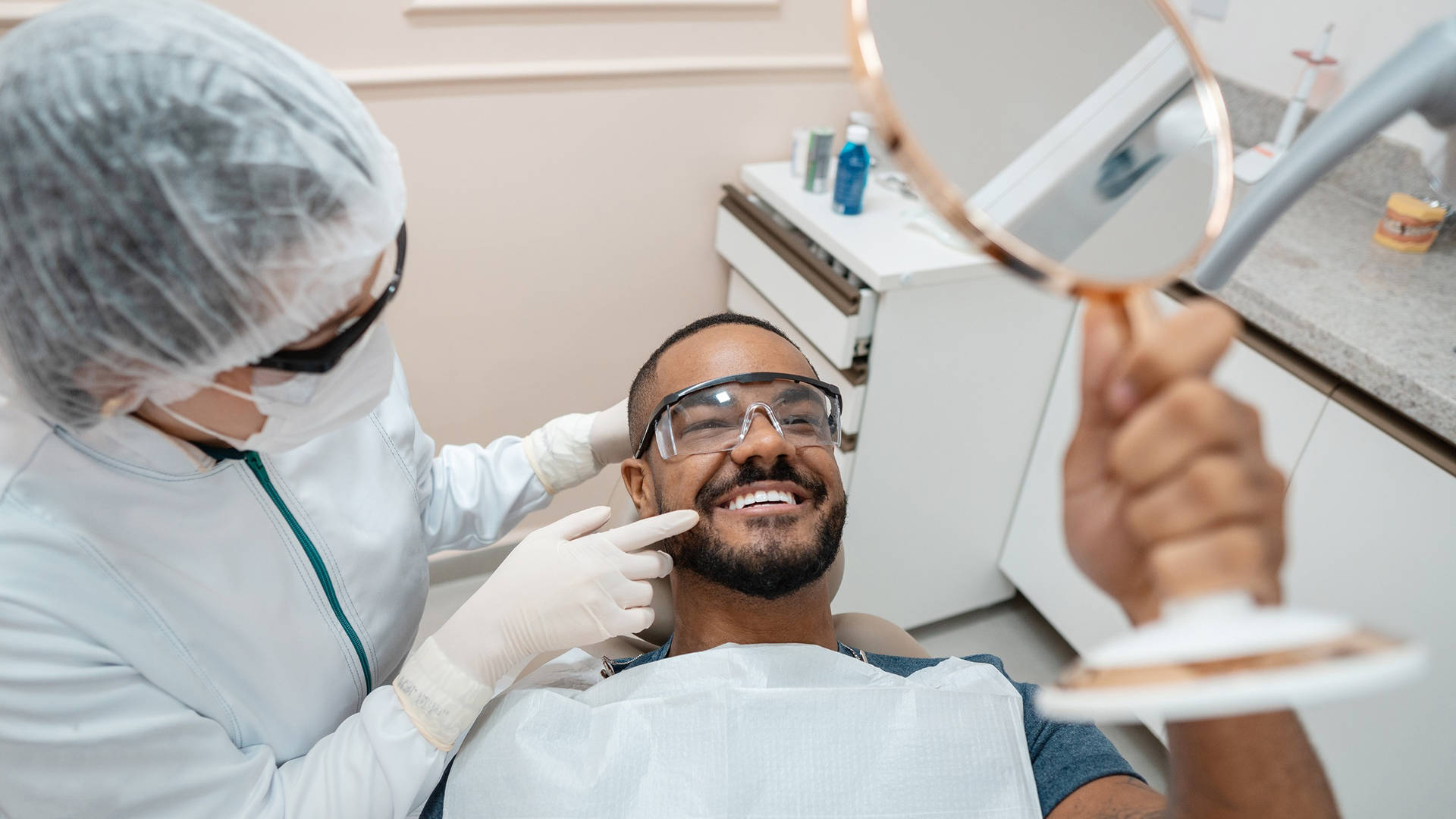
London, a city steeped in history and cultural richness, boasts a vibrant and diverse landscape of affordable dental care services catering to the needs of its dynamic population. From traditional family practices nestled in quaint neighborhoods to cutting-edge clinics in the bustling heart of the city, the spectrum of dental care options reflects the cosmopolitan character and high standards synonymous with London’s healthcare sector.
At the forefront of dental innovation in London are practices like Hyland Dental, renowned for their commitment to excellence and patient-centric approach. These modern clinics combine state-of-the-art technology with personalized care to deliver superior outcomes across a wide range of treatments, from routine preventive care to complex restorative and cosmetic procedures. With a focus on patient education and empowerment, these clinics not only address immediate dental concerns but also strive to promote long-term oral health and well-being.
In addition to leading-edge practices, London’s dental landscape is dotted with traditional family dentists who have been serving local communities for generations. These practices provide a familiar and comforting environment for patients of all ages, offering a comprehensive suite of services tailored to individual needs. With a strong emphasis on continuity of care and building lasting relationships with patients, these family practices play a vital role in maintaining the oral health of Londoners across generations.
London’s diverse population also gives rise to specialized dental clinics catering to specific cultural or linguistic communities. These clinics offer services in multiple languages and are staffed by culturally competent dental professionals who understand the unique needs and preferences of their patients. By providing culturally sensitive care and fostering a sense of belonging, these clinics play a crucial role in promoting access to dental services and addressing disparities in oral health outcomes.
For those seeking cosmetic enhancements or orthodontic treatments, London offers a plethora of specialized clinics dedicated to aesthetic dentistry and orthodontics. These clinics utilize the latest advancements in cosmetic dentistry, including teeth whitening, porcelain veneers, and clear aligner therapy, to help patients achieve the smile of their dreams. With a focus on both form and function, these clinics combine artistry with science to deliver stunning results that enhance both the appearance and health of the smile.
London’s dental landscape also includes a variety of community-based dental services aimed at serving vulnerable populations and undeserved communities. These services may include mobile dental clinics, school-based dental programs, and outreach initiatives targeting homeless individuals or refugees. By bringing affordable dental care directly to those in need, these services play a vital role in improving access to oral healthcare and reducing disparities in dental outcomes across the city.
Despite the diversity of affordable dental care options in London, access to dental services remains a significant challenge for many residents, particularly those from marginalized or undeserved communities. Factors such as socioeconomic status, geographic location, and cultural barriers can create barriers to accessing timely and affordable dental care. Addressing these disparities requires a multifaceted approach that includes targeted outreach efforts, expanded insurance coverage, and investments in community-based dental services.
In conclusion, London’s dental landscape is a rich tapestry of innovation, tradition, and diversity, reflecting the city’s dynamic and multicultural character. From cutting-edge clinics at the forefront of dental technology to traditional family practices rooted in local communities, the array of affordable dental care options available ensures that residents can access high-quality care tailored to their individual needs. However, challenges remain in ensuring equitable access to dental services for all Londoners, highlighting the need for continued efforts to address disparities and promote oral health equity across the city. For more details about Dental in London, please checkout our hompage.
Five Realities Shaping Local Affordable Dental Care
Access is a practical question, not an abstract one. What follows reflects patterns any London practice sees weekly.
1. Cost remains the main barrier
National surveys have consistently found cost is the leading reason Canadians avoid the dentist — ahead of fear and time. Because affordable dental care sits outside OHIP for most adults, an uninsured filling is paid from the household budget. This is why preventive visits are the worst thing to cut: they are the cheapest part of the system.
2. Federal coverage has changed the arithmetic
The Canadian Affordable dental care Plan has extended coverage to many previously uninsured households, phased in by age and disability status, with eligibility based on family net income and having no private plan. It does not cover everything, but it has moved a large group from “cannot afford affordable dental care at all” to “can afford prevention”. Ask any clinic whether they accept it.
3. Students and shifting insurance
A large student population means thousands of people whose coverage changes each September and lapses at graduation. The practical advice is to schedule a check-up while covered, get a written plan with procedure codes, and complete elective work before the plan ends. Fees reference the Ontario Dental Association suggested guide, so estimates are comparable between clinics.
4. Older adults and dry mouth
Retirement often coincides with losing workplace insurance at exactly the point affordable dental care needs increase. Many common medications reduce saliva, and less saliva means markedly more decay at the gumline — often on teeth that were stable for decades. Shorter recall intervals and high-fluoride toothpaste are far cheaper than the restorations they prevent. See our dentures page and crowns and bridges page.
5. Newcomers and unfamiliar systems
For newcomers, the obstacle is often knowing how the system works: that dental care is mostly private, that a general dentist is the entry point, and that costs are quoted in advance. The Canadian Dental Association publishes plain-language material in multiple languages that helps. Ask whether a clinic has staff who speak your language.
Where emergencies fit
When routine affordable dental care is delayed, problems arrive as emergencies instead — the most expensive and least convenient route. Our emergency dental page explains triage, and you can book an appointment or contact us to get onto a preventive schedule.