
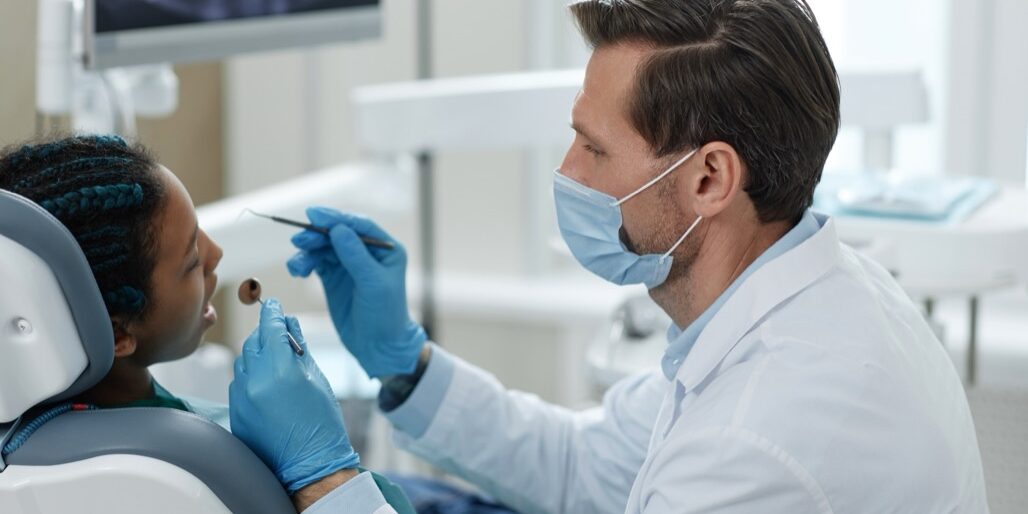
Lifelong dental care is not one service repeated for eighty years. What matters at three is irrelevant at thirty, and the risks that appear after sixty are different again. These six stages set out what each period actually needs.
London, a bustling metropolis renowned for its rich history and cultural diversity, boasts a vibrant array of lifelong dental care services catering to the diverse needs of its inhabitants. From the cobblestone streets of historic neighborhoods to the gleaming towers of the financial district, dental practices of various sizes and specialties dot the cityscape, reflecting the dynamic nature of London’s healthcare landscape.

At the forefront of dental innovation in London are cutting-edge clinics equipped with state-of-the-art technology and staffed by skilled professionals dedicated to providing top-tier care. These modern practices offer a comprehensive range of services, from routine check-ups and preventive care to advanced cosmetic and restorative procedures. Patients seeking the latest advancements in dental treatments often turn to these clinics, where precision, efficiency, and patient comfort are paramount.
Among these innovative practices is Hyland Dental, a beacon of excellence known for its commitment to delivering superior outcomes through a blend of advanced techniques and compassionate care. Led by Dr. Emily Hyland, a respected figure in the field of cosmetic and implant dentistry, the clinic embodies a culture of excellence and patient-centeredness, setting the standard for dental in London and beyond.
In addition to leading-edge clinics, London’s dental landscape is characterized by a multitude of traditional family practices deeply rooted in local communities. These practices, often housed in charming Victorian or Georgian buildings, provide a sense of familiarity and continuity of care for generations of families. With a focus on preventive care and patient education, these practices play a vital role in promoting oral health and wellness among residents of all ages.
London’s cultural diversity is reflected in the proliferation of specialized dental clinics catering to specific linguistic or cultural communities. These clinics offer services in multiple languages and are staffed by culturally competent professionals who understand the unique needs and preferences of their patients. By providing culturally sensitive care and fostering a sense of belonging, these clinics bridge language and cultural barriers, ensuring that all residents have access to quality lifelong dental care.
For those seeking cosmetic enhancements or orthodontic treatments, London offers a wealth of specialized clinics dedicated to aesthetic dentistry and orthodontics. These clinics employ the latest advancements in cosmetic dentistry, such as teeth whitening, porcelain veneers, and invisible braces, to help patients achieve their desired smiles. With a focus on both aesthetics and function, these clinics blend artistry with science to deliver stunning results that enhance patients’ confidence and quality of life.
London’s dental landscape also includes a range of community-based dental services aimed at serving vulnerable populations and underserved communities. These services may include mobile dental clinics, school-based dental programs, and outreach initiatives targeting homeless individuals or refugees. By bringing dental care directly to those in need, these services play a crucial role in reducing barriers to access and improving oral health outcomes for marginalized populations.
Despite the diversity of lifelong dental care options in London, access to dental services remains a significant challenge for many residents, particularly those facing socioeconomic or geographic barriers. Addressing these disparities requires a coordinated effort involving government agencies, healthcare providers, and community organizations to expand access to affordable lifelong dental care and promote oral health equity across the city.

In conclusion, London’s dental landscape is a mosaic of innovation, tradition, and diversity, reflecting the city’s dynamic and multicultural character. From cutting-edge clinics pushing the boundaries of dental technology to traditional family practices ingrained in local communities, the myriad of lifelong dental care options available ensures that residents can access high-quality care tailored to their individual needs. However, challenges persist in ensuring equitable access to dental services for all Londoners, underscoring the need for continued efforts to address disparities and promote oral health equity across the city.
Six Stages of Lifelong Dental Care
Risk changes with age, and so should the plan. The Canadian Dental Association publishes age-specific guidance that aligns with the outline below.
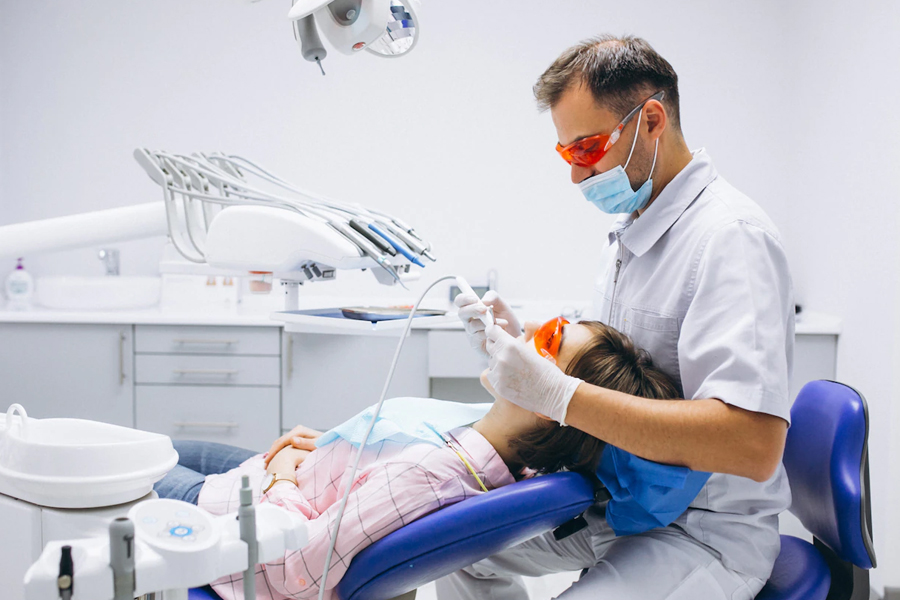
Infants and toddlers
The first visit should happen around the first birthday, mainly to coach parents rather than treat the child. The single biggest risk at this stage is prolonged bottle use with anything sweetened, including milk at night. Wipe or brush the first teeth with a smear of fluoride toothpaste, and never share a spoon — decay-causing bacteria are transmissible. Early lifelong dental care here is almost entirely preventive.
Children with mixed teeth
Between six and twelve, adult molars arrive with deep grooves that trap plaque. Sealants are cheap and effective. This is also when supervision matters: most children cannot brush adequately alone until around eight. See the Canadian Dental Association guidance for children.
Teenagers
Orthodontics, sports injuries and a sharp rise in snacking independence all land at once. A custom mouthguard for contact sport is far cheaper than repairing a fractured front tooth, and clear aligner treatment is increasingly used. Dental care compliance dips in these years, which is worth planning around rather than lecturing about.
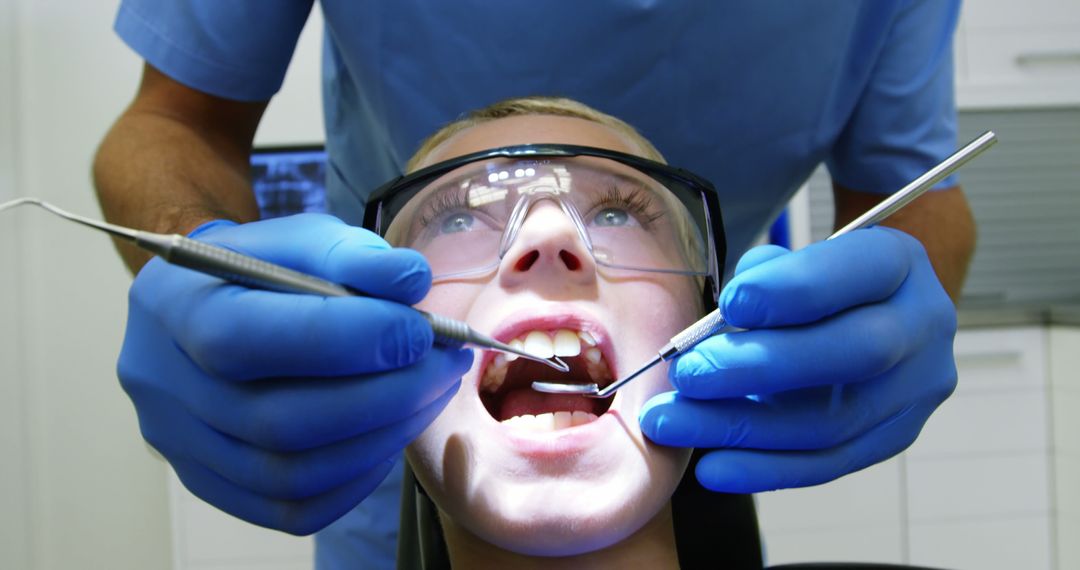
Young adults
Wisdom teeth, the end of parental insurance, and the first real cost decisions. This is the most common stage for lifelong dental care to lapse entirely. The practical answer is to keep a preventive interval even when money is tight, because prevention is the cheapest part of the system.
Middle adulthood
Gum disease becomes the dominant risk, alongside wear from grinding and the failure of older restorations placed decades earlier. Pocket measurements compared year on year matter more now than counting cavities. A night guard protects against grinding, and crowns often replace large old fillings.
Later life
Medication-induced dry mouth causes a marked rise in decay at the gumline, often on teeth that were stable for forty years. Less saliva also makes dentures harder to tolerate. High-fluoride toothpaste and shorter recall intervals are the standard response. Loss of workplace insurance frequently coincides, so check the Canadian Lifelong dental care Plan. Fees reference the Ontario Dental Association guide throughout, under Royal College of Dental Surgeons of Ontario standards. Book an appointment or read our FAQ.