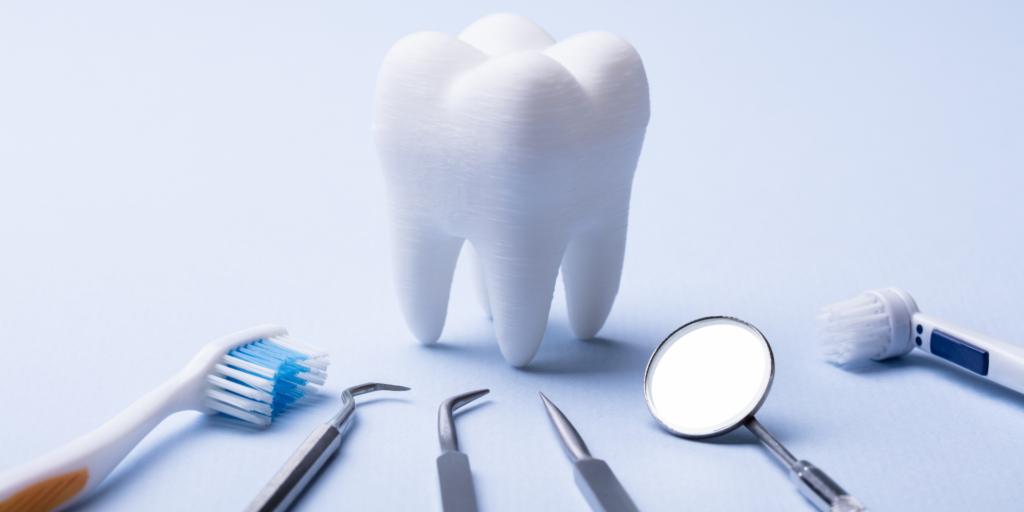
Modern dental care has changed more in the last twenty years than in the previous fifty, and most of the change is invisible to patients. Below are six advances that genuinely altered how modern dental care is delivered in London, Ontario — and what each one means for your appointment.
Modern dental care in London stands at the intersection of rich tradition and cutting-edge innovation, offering residents and visitors alike a comprehensive array of services that cater to diverse oral health needs. As one of the world’s leading metropolises, London not only boasts a historical legacy in dental education and practice but also embraces modern advancements in technology and treatment methodologies.
London’s dental landscape is characterized by a blend of public and private healthcare options, ensuring accessibility across different socioeconomic demographics. The National Health Service (NHS) plays a significant role in providing essential dental services to the public, with numerous NHS dental practices scattered throughout the city. These clinics offer routine check-ups, fillings, and basic dental care at subsidized rates, making oral health services accessible to a broad segment of the population.
Complementing the NHS facilities are a multitude of private dental practices that cater to those seeking specialized treatments and cosmetic procedures. Private practices in London often feature state-of-the-art equipment and a focus on patient comfort and aesthetic outcomes. Services range from teeth whitening and orthodontics to dental implants and oral surgeries, reflecting the city’s commitment to meeting diverse patient needs with top-tier care.
London’s reputation as a hub for dental excellence is bolstered by its prestigious dental schools and research institutions. Institutions like King’s College London Dental Institute and University College London’s Eastman Dental Institute have long been at the forefront of dental education and research. These institutions not only train future generations of dentists but also drive innovation in dental techniques and technologies through groundbreaking research and clinical trials.
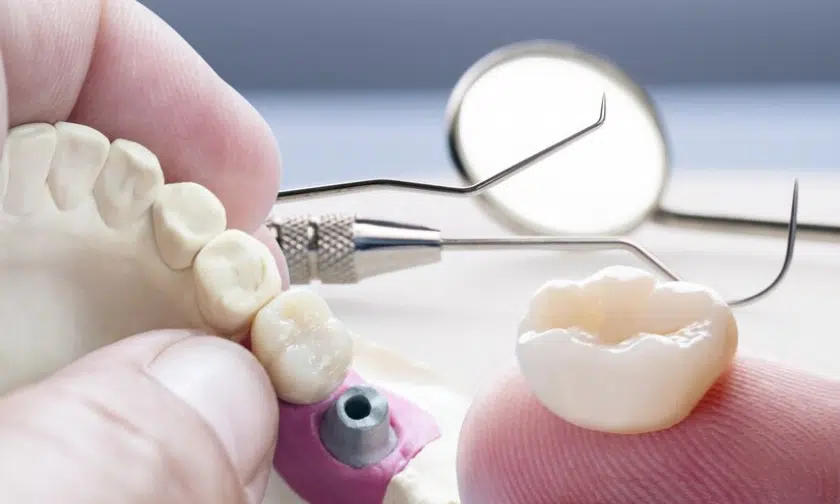
In addition to traditional dental practices, London is embracing digital dentistry and tele-dentistry, leveraging technology to enhance patient care and convenience. Digital imaging, CAD/CAM (computer-aided design/computer-aided manufacturing) technology for prosthetics, and 3D printing of dental appliances are increasingly integrated into dental practices across the city. These advancements not only improve diagnostic accuracy and treatment outcomes but also streamline processes, reducing waiting times and enhancing overall patient experience.
Beyond clinical care, London’s dental community is committed to preventive dentistry and oral health education. Public health initiatives and community outreach programs aim to promote good oral hygiene practices and raise awareness about the importance of regular dental check-ups. These efforts contribute to reducing the incidence of dental diseases and improving overall oral health outcomes across the city.
Moreover, London’s multicultural population brings diversity to its modern dental care landscape. Dental practices often employ multilingual staff and offer culturally sensitive care to accommodate the needs of patients from various backgrounds. This inclusive approach ensures that all residents and visitors can access dental services comfortably and effectively, regardless of language or cultural barriers.
In conclusion, Dental in London epitomizes a harmonious blend of tradition and innovation, underpinned by a commitment to excellence in education, research, and patient care. Whether seeking routine check-ups, complex treatments, or cosmetic enhancements, individuals in London can find a plethora of options that cater to their specific oral health needs. With its historical legacy, modern facilities, and forward-thinking approach, London continues to set global standards in modern dental care, ensuring that oral health remains a priority for its diverse population.
Six Advances That Reshaped Modern Dental Care
Technology in dentistry is only worth having when it improves diagnosis, comfort or durability. Standards for its use are set by the Royal College of Dental Surgeons of Ontario, and the Canadian Dental Association publishes patient guidance on most of what follows.

1. Digital radiography
Film has largely disappeared. Digital sensors need a fraction of the radiation dose, the image appears instantly, and it can be enlarged and contrast-adjusted on screen beside you. That last point matters more than the dose reduction: modern dental care decisions are easier to accept when you can see the problem yourself. See our digital X-ray page for detail.
2. Intraoral scanners
Impression putty is being replaced by a wand that builds a 3D model of your teeth in a few minutes. It is more comfortable, avoids gagging, and the file can be sent to a laboratory immediately. Fewer remakes means fewer appointments for the same crown or bridge.
3. Adhesive tooth-coloured materials
Composite bonds to enamel and dentine, so a modern filling can be smaller than the old designs that required undercuts for mechanical grip. Conservative modern dental care preserves tooth structure, and preserved structure is what keeps a tooth out of trouble decades later. Our fillings page explains the trade-offs against amalgam.
4. Clear aligners
Mild to moderate crowding that once meant fixed brackets can often be treated with removable trays instead. They are not right for every case — skeletal discrepancies still need conventional orthodontics — but they widened access to adult tooth movement considerably. See clear aligner treatment.
5. Better local anaesthesia and sedation
Buffered solutions, computer-controlled delivery and topical pre-numbing have made injections far less unpleasant, and sedation options exist for people whose anxiety would otherwise keep them away entirely. Comfort is not a luxury in dental care; it is what makes prevention possible.
6. Evidence-based recall intervals
Perhaps the least glamorous advance: the six-month rule has given way to risk-based scheduling. Some patients need three-month modern dental care visits, others do well at twelve. Fees for all of it still reference the Ontario Dental Association suggested guide, and uninsured households should check the Canadian Modern dental care Plan. To see the current approach, browse our services or book an appointment.