
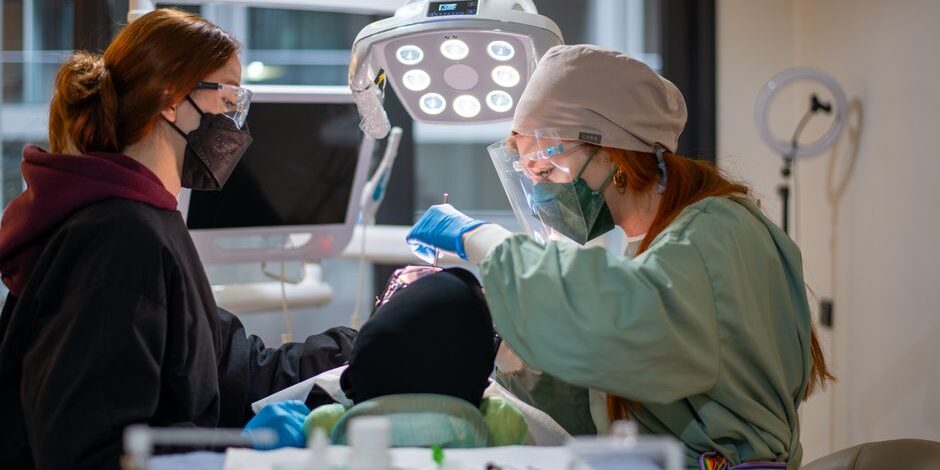
Booking a new patient dental visit is more nerve-wracking than it needs to be, usually because nobody explains what is coming. A new patient dental visit is an assessment, not a treatment marathon: one appointment to establish what is happening in your mouth and agree what should happen next. This guide sets out how the appointment runs in London, how long it takes, what to bring, what it costs, and how the treatment plan is prioritised if there is a long list.
Hyland Dental Centre welcomes new patients from across London and the surrounding area. To arrange a new patient dental visit, call (519) 679-0808 or read more about our dental clinic.
How long a new patient dental visit takes
Allow forty-five to ninety minutes. A new patient dental visit runs longer than a routine checkup because there is no history on file, so the dentist is building a complete picture rather than comparing against last time. If a cleaning is done at the same appointment, expect the longer end of that range.
Arrive ten minutes early if there is paperwork to complete. Some practices email forms in advance, which is worth asking about when you book.
7 things to expect at a new patient dental visit
- Medical and dental history. Conditions, medications, allergies, previous surgery, pregnancy, smoking and alcohol. This is not box-ticking. Blood thinners, diabetes, heart conditions and bisphosphonates all change how treatment is planned.
- A conversation about your priorities. What brought you in, what bothers you, whether you are in pain, and whether appearance matters to you. Mention dental anxiety here, because it changes the pace of everything afterwards.
- A full examination. Every tooth checked for decay, cracks, wear and failing fillings, plus gums, bite, jaw joints and any existing crowns or bridges.
- Gum measurements. A small probe records pocket depths around each tooth. This is how gum disease is diagnosed years before teeth become loose.
- An oral cancer screening. A check of the tongue, floor of the mouth, cheeks, palate and throat, plus the neck and jaw. It takes under two minutes and matters more than almost anything else in the appointment.
- X-rays where needed. Usually a small series using digital radiography to see between the teeth and below the gumline. Recent images from a previous dentist can often be reused.
- Findings and a written plan. What is healthy, what needs attention now, what can be watched, and roughly what each option costs.
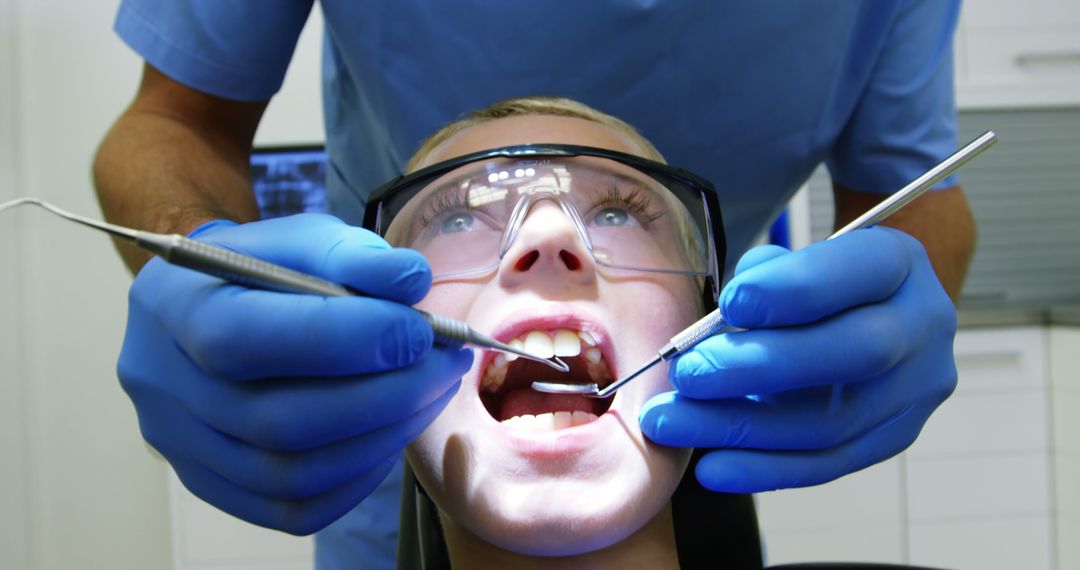
A cleaning is often included, but not always. Where there is heavy tartar or gum inflammation, the hygiene appointment is usually booked separately so there is time to complete it properly rather than rushing it.
What to bring
- Photo identification and your dental insurance details, including policy and certificate numbers
- A list of current medications and doses, including supplements
- The name of your previous dentist, so records and X-rays can be requested
- Any recent X-rays or treatment plans you already hold
- Your family doctor’s details if you have a significant medical condition
- A written list of questions, because people forget them the moment they sit down
- Any appliance you use, such as a night guard, retainer or denture
Our guide on how to choose the best dentist near you in North London is worth reading if you are still deciding where to register, and the patient FAQ answers the practical questions about appointments and coverage.
What a new patient dental visit costs in London
A new patient dental visit is normally billed as a comprehensive examination, plus X-rays, plus a cleaning if one is performed. Each is a separate item on the Ontario fee guide, so ask for the expected total when you book rather than finding out at reception.
Most employer plans cover a comprehensive examination and periodic cleanings, though frequency limits apply. Ask two questions when booking: does the office submit claims directly to your insurer, and will you get a written estimate before any treatment starts? A good practice answers yes to both, and payment arrangements for larger plans can be discussed when you book an appointment.
If cost is the reason you have delayed, say so plainly at the new patient dental visit. A plan can be staged over months so that urgent work happens first and elective work waits.
If it has been years since your last appointment
Arriving at a new patient dental visit after a long absence is far more common than people assume, and it is not something you will be lectured about. Say how long it has been and why. A dentist who reacts badly to that is telling you something useful about the practice.
Expect the plan to be staged rather than presented as one overwhelming list. A new patient dental visit that ends with a realistic sequence and a rough budget is a good outcome, even when there is a lot to do.
- Pain and infection first. Anything acute is handled before planning, and emergency dental care in London is available if something flares in the meantime.
- Gum health next. Cleaning and preventive care creates the stable foundation everything else depends on.
- Then repairs. Fillings, root canal treatment where a nerve is involved, and crowns and bridges to rebuild badly damaged teeth.
- Then replacement. Dental implants or dentures where teeth are missing.
- Finally, appearance. Whitening, veneers or Invisalign once the mouth is healthy.
- Anxious patients. Sedation dentistry makes a long-postponed appointment genuinely manageable.
How to get the most out of the appointment
- Do not brush aggressively beforehand. Clean normally. Scrubbing your gums raw an hour before makes them bleed and distorts the examination.
- Be honest about your habits. Flossing, smoking, grinding, sugary drinks and how often you actually brush. Nothing useful comes from guessing.
- Say if you are anxious. Tell the team at the start so they can slow down, explain as they go and agree a stop signal.
- Ask for the plan in writing. Priorities, fees and timing, so you can consider it at home rather than deciding in the chair.
- Ask what happens if you do nothing. A good dentist will tell you which items are urgent and which are genuinely optional.
- Book the next appointment before you leave. Momentum is what stops a plan from stalling for another five years.
A new patient dental visit is the one appointment where asking everything is expected. Guidance from the Canadian Dental Association encourages patients to ask about alternatives, risks and costs before agreeing to any treatment.
How often you will be seen afterwards
- Every three to four months: a history of gum disease, diabetes, smoking, or heavy tartar build-up
- Every six months: most adults with stable gums and a low decay rate
- Every nine to twelve months: low-risk patients with excellent home care and little restorative history
- Sooner than planned: new pain, sensitivity, bleeding gums, a lost filling or a cracked tooth
Whatever interval is set at your new patient dental visit, put the next appointment in your calendar before you leave. Long gaps almost always begin with a single appointment that never got rebooked.
New patient dental visit: frequently asked questions
How long does a new patient dental visit take?
Usually forty-five to ninety minutes. It is longer than a routine checkup because a full examination, gum measurements, X-rays and an oral cancer screening all happen for the first time. Allow extra if a cleaning is included.
Do I need X-rays if I had them recently?
Not necessarily. Ask your previous dentist to forward recent images and note the date they were taken. If they are current and of good quality they can often be used, which saves time and avoids unnecessary exposure.
Will I get a cleaning at the first appointment?
Often, but not always. Where there is significant tartar or gum inflammation, the cleaning is usually booked separately so there is enough time to complete it thoroughly and comfortably rather than rushing the end of the appointment.
What if I have not seen a dentist in years?
You are in the majority and it will not be held against you. Say how long it has been, and expect the plan to be staged: pain and infection first, gum health next, then repairs, then anything cosmetic. You do not have to agree to it all at once.
Is a new patient dental visit covered by insurance?
Most plans cover a comprehensive examination, X-rays and a cleaning, subject to frequency limits and an annual maximum. Confirm your coverage before attending, and ask whether the office submits claims directly to your insurer.
Can my whole family be seen on the same day?
Usually yes. Booking family members consecutively turns several trips into one. Children should ideally be seen within six months of their first tooth appearing, so it is worth registering everyone at the same time.
Book a new patient dental visit in London, Ontario
If it has been a while, the appointment is almost always less unpleasant than the anticipation. Call (519) 679-0808, use the contact page, or book an appointment at our clinic on Richmond Street. You can read about Hyland Dental Centre, browse the full range of dental services in London, Ontario, or see more advice on the blog. One new patient dental visit is enough to replace guesswork with a clear, costed plan.
This article is general information for patients in London, Ontario and is not a diagnosis or a substitute for advice from a dentist or physician. If you have severe pain, facial swelling, difficulty breathing or swallowing, or uncontrolled bleeding, seek urgent care immediately.