

What is sedation dentistry? Is it safe?
Dental phobia and dental anxiety is a prevalent condition that affects a large percentage of the Canadian population. Many individuals opt to avoid the dentist altogether, leading to severe consequences and health conditions due to poor teeth hygiene.
For those individuals who have dental phobia or dental anxiety, Sedation Dentistry is an excellent tool to safely alleviate fears and make the entire process of a dental visit much easier for the dentist and the patients. Sedation Dentistry is also effective for more intensive procedures—as an emergency dentist, London residents trust our expert team for their immediate tooth health concerns and hygienic care with a compassionate touch.
What is Sedation Dentistry?
Sedation dentistry involves using medication to sedate the individual, invoking feelings of calm, peaceful relaxation. Though it is often referred to as “sleep dentistry,” sedation dentistry usually means that the patient is conscious during the process—simply in a relaxed state of mind, sometimes described as a “dreamlike” state.
Anesthesia is used to induce complete unconsciousness for invasive procedures, emergency dentist services, or any procedure that is a little more intensive than regular tooth cleaning. There are multiple levels of sedation dentistry, each with differing physical/mental effects and use cases:
Minimal sedation:
fully awake but relaxed, calm and peaceful
Moderate sedation:
A little more intense sedation, sometimes the patient slurs their words; some short-term memory loss of the operation
Deep sedation:
You can be awakened and are barely conscious
General anesthesia:
Fully unconscious and unaware of your surroundings
Methods for Sedation Dentistry
Inhaled Sedation: Commonly known as “laughing gas,” this nitrous oxide helps you feel much more relaxed and at ease throughout the entire procedure.
Oral Sedation:
Usually taken via a pill or tablet, you’ll feel drowsy but will not fall unconscious immediately. Some people may fall asleep with higher doses, but it’s usually a sleepy level of calm relaxation.
IV Moderate Sedation:
You immediately feel the effects through injection into a vein and are at the edge of sleep and being awake. Throughout the procedure, your dentists can adjust and control the level of medication used.
Deep Sedation/General Anaesthesia:
Usually, through injection, you quickly fall entirely unconscious. It is difficult to awaken an individual from this level of sedation and requires a long time to wear off or a reversal medication. In addition to sedation, you’ll also receive a local anesthetic regardless of the type of operation you underwent.
The dentists will numb your mouth in the region where you are receiving treatment, ensuring that zero pain is felt during the procedure.
Dentist in London
While sedation dentistry is safe for most individuals, those who experience sleep apnea or are obese may experience some minor complications and should consult a physician before undergoing any sedation dentistry. If you are searching for a dentist in London, Ontario, we can provide comprehensive services and maintenance hygiene to help you keep your healthiest smile! Not all dental operations require sedation dentistry, and we are committed to exceptional and innovative dental care.
Emergency Dentist in London
Are you searching for an emergency dentist? London is home to Hyland Dental Centre, and we are dedicated to restoring and advancing the health of your smile. We provide emergency dentistry for chipped, cracked or missing teeth, in addition to sedation dentistry when required.
Get in touch with our team today by booking a dental appointment or call us at (519) 679-0808.
Is sedation dentistry safe, and who can have it?
For healthy patients treated by a properly trained team, sedation dentistry has a strong safety record. The important variables are an accurate medical history, the right depth of sedation for the procedure, and continuous monitoring throughout.
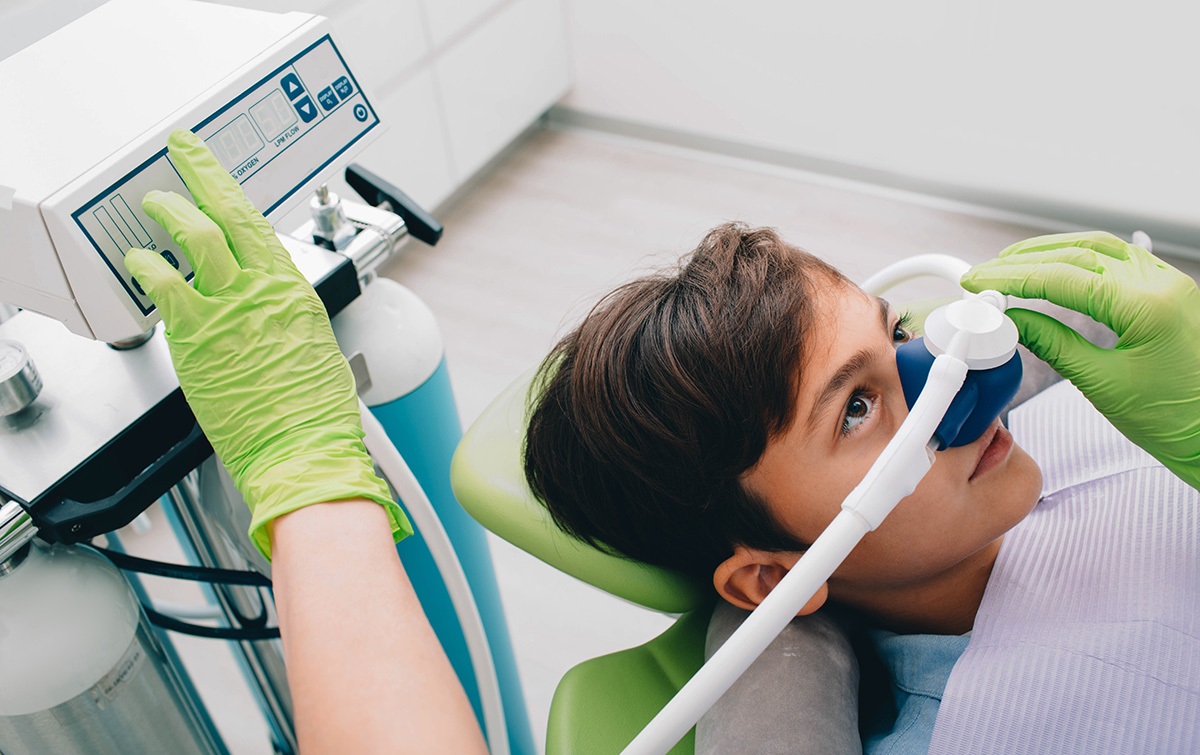
What we need to know before booking
Tell us about every prescription and over-the-counter medicine you take, including supplements, and mention any history of heart or lung disease, sleep apnoea, liver or kidney problems, pregnancy, or previous reactions to anaesthetic. Sleep apnoea in particular changes which options are appropriate, because the airway is more likely to relax and obstruct.
How the levels differ in practice
With nitrous oxide you stay awake, answer questions normally, and can drive yourself home once it has worn off. With oral or intravenous sedation you remain rousable but drowsy, and most people remember little of the appointment; you will need an adult to escort you home and you should not drive, work, or make decisions for the rest of the day. Deep sedation and general anaesthesia leave you unable to respond purposefully and are used for extensive surgery or for patients whose anxiety cannot be managed any other way.
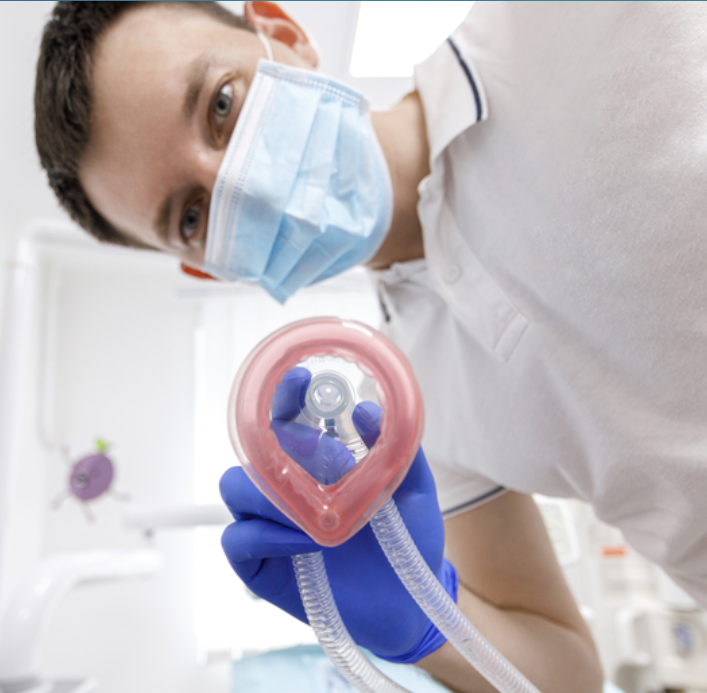
Monitoring and preparation
Deeper sedation means fasting beforehand, usually no food for six hours and no clear fluids for two, though we confirm the exact timings with you. During treatment we track oxygen saturation, pulse and blood pressure, and for moderate and deep sedation we also monitor exhaled carbon dioxide. Reversal medication and emergency equipment are kept in the room.
How sedation is regulated in Ontario
Sedation is not something a dental office can simply decide to offer. The Royal College of Dental Surgeons of Ontario issues separate authorisations for each level, sets the training and staffing requirements, and inspects the facilities where deeper sedation is provided. The Canadian Dental Association publishes patient-facing guidance on what to ask before agreeing to it.
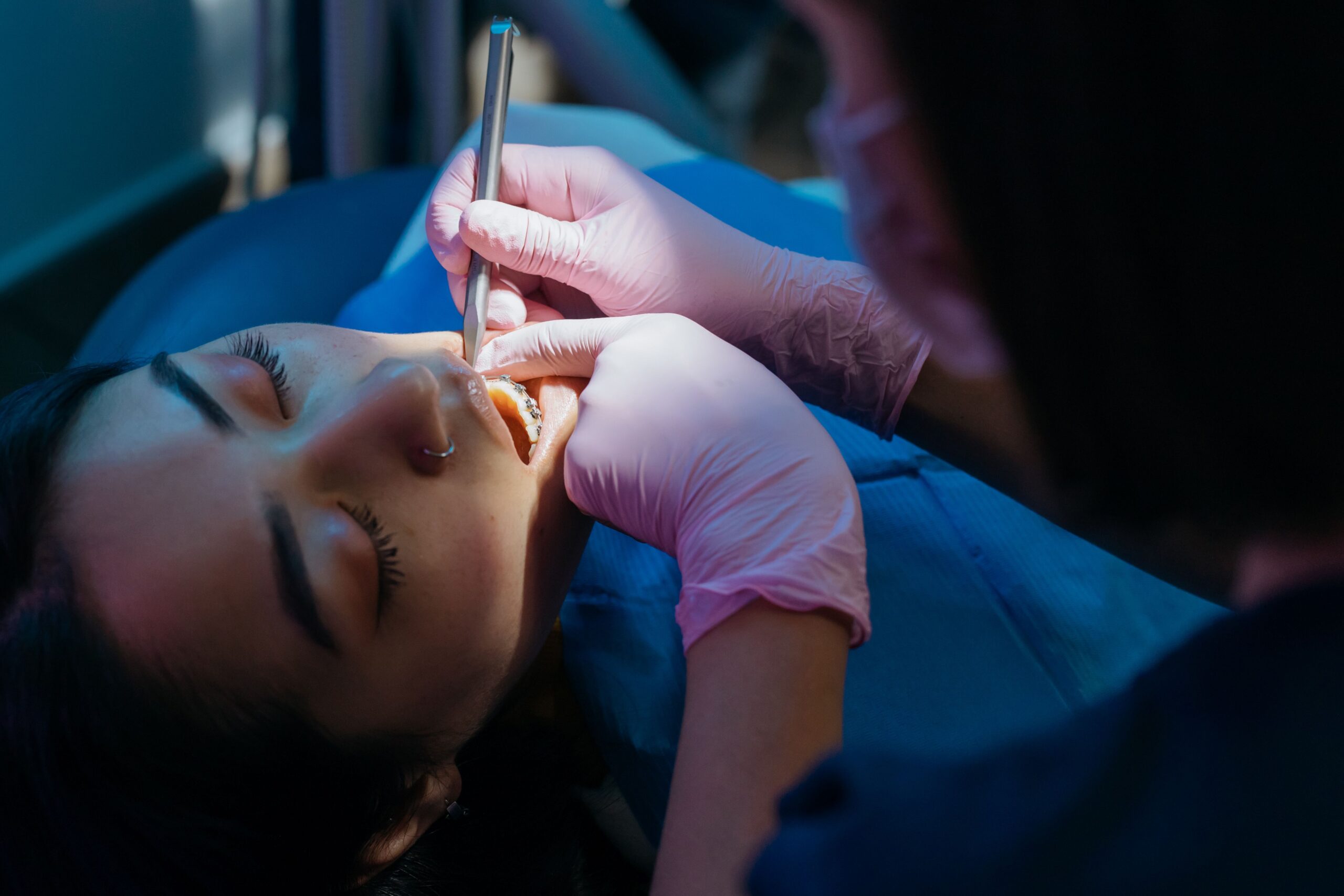
Recovering afterwards
Nitrous oxide clears in five to ten minutes. Oral and intravenous sedation take several hours, and grogginess can linger into the evening, so plan a quiet day, start with soft food and water, and have someone stay with you. Ring us if you have bleeding that will not settle, a fever, or swelling that keeps growing.
Where sedation fits alongside other treatment
Sedation is a comfort measure, not a treatment in itself. It is most often combined with tooth extraction, root canal treatment, dental implants or a long restorative appointment. If anxiety has kept you away for years, a short consultation is usually the best starting point, and you can book an appointment or read more on our sedation dentistry page. Urgent problems are handled through emergency dental care.
Our approach to nervous patients is described on the sedation dentistry in London, Ontario page, with tooth extraction details alongside it. Both link from Hyland Dental Centre.