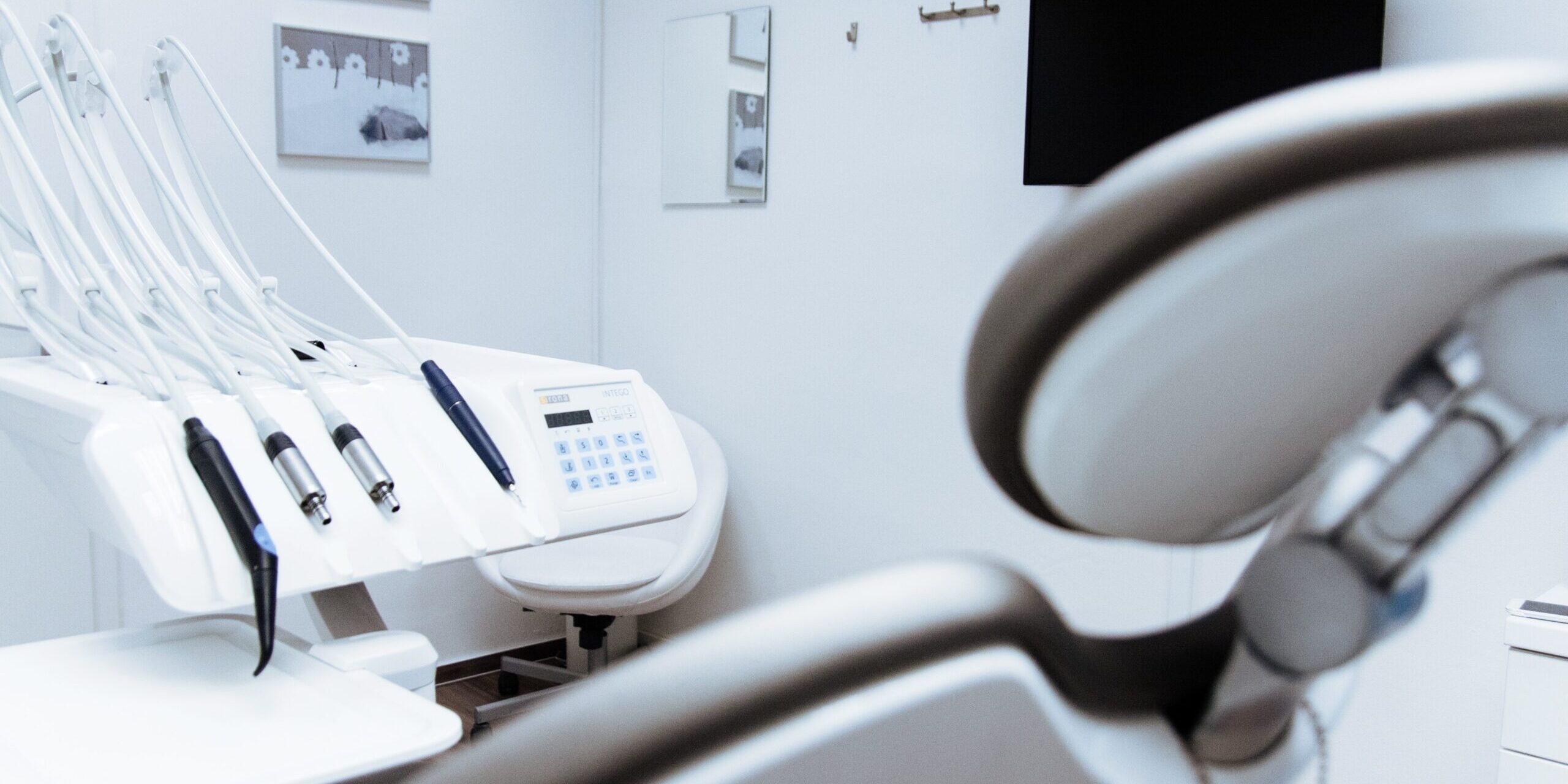
Equipment lists on clinic websites rarely explain anything useful. This article covers seven tools that dentists in London genuinely use every day, what each is for, and what it feels like from the patient side of the chair.
Dental technology has come a long way in recent years, with new innovations making dental procedures safer, faster, and more effective than ever before. In London, dentists are utilizing the latest dental technologies to provide patients with the best possible care.
In this blog post, we’ll explore some of the latest dental technologies used by dentists in London.
-
Digital X-Rays
Digital X-rays are a newer type of X-ray that use digital sensors to capture images of a patient’s teeth and gums. These images are then displayed on a computer screen, allowing dentists in London to see the results in real-time. Digital X-rays offer several advantages over traditional X-rays, including lower radiation exposure and faster results.
-
Intraoral Cameras
Intraoral cameras are small, handheld devices that allow dentists to take detailed images of a patient’s teeth and gums. These images are displayed on a computer screen, allowing dentists to see the results in real-time. Intraoral cameras are particularly useful for diagnosing cavities, cracks, and other dental problems that may not be visible to the naked eye.
-
Laser Dentistry
Laser dentistry is a newer type of dental treatment that uses lasers to perform a variety of dental procedures. Lasers can be used to remove decayed tooth material, reshape gums, and even whiten teeth. Laser dentistry is often less painful and invasive than traditional dental procedures, and can help reduce recovery time.
-
CAD/CAM Technology
CAD/CAM technology is a type of computer-aided design and manufacturing technology that is used to create custom dental restorations, such as crowns and bridges. CAD/CAM technology allows dentists in London to design and create restorations in a matter of hours, rather than days or weeks. This technology can also help reduce the number of office visits required for dental restoration procedures.
-
3D Printing
3D printing is a newer technology that is being used in dentistry to create custom dental implants, dentures, and other dental appliances. 3D printing can produce highly accurate and detailed dental appliances, reducing the need for manual labor and minimizing the risk of errors. This technology can also help reduce the cost of dental appliances and increase their accessibility.
In conclusion, the latest dental technologies are changing the way that dentists in London provide care to their patients.
These technologies offer numerous benefits, including faster treatment times, reduced recovery periods, and improved accuracy. If you’re looking for a dentist near you in London, be sure to look for one who is utilizing the latest dental technologies to ensure that you receive the best possible care.
Seven Tools Dentists in London Use Daily
Technology only matters when it improves diagnosis, comfort or durability. Its use is governed by the Royal College of Dental Surgeons of Ontario, and the Canadian Dental Association explains most of it for patients.

1. Digital radiography sensors
A small sensor replaces film, needing a fraction of the radiation dose and producing an image instantly. For you it means a shorter appointment and the ability to see the problem on screen. Our digital X-ray page covers this in detail.
2. Intraoral cameras
A pen-sized camera showing a magnified view of one tooth on a monitor. Its real value is consent: a crack you can see is a crack you can decide about. Dentists in London use these constantly for exactly this reason.
3. Magnification loupes
Surgical loupes, sometimes with a headlight. Unglamorous and probably the single biggest quality improvement of the last two decades, because you cannot treat accurately what you cannot see clearly.
4. Intraoral scanners
A wand that builds a 3D model in minutes, replacing impression putty. More comfortable, no gagging, and the file goes straight to the laboratory — which means fewer remakes for your crown or bridge.

5. Apex locators
Used during root canal treatment to measure the exact length of the root canal electronically, rather than relying on radiographs alone. More accurate, and it reduces the number of images needed.
6. Cone-beam CT
A 3D scan used selectively for implant planning, assessing wisdom teeth near nerves, and complex root anatomy. Higher dose than a standard radiograph, so dentists in London justify each case individually rather than using it routinely.
7. Ultrasonic scalers
High-frequency vibration with water irrigation, used in hygiene appointments to remove hardened deposits with less scraping. Faster and more comfortable than hand instruments alone, especially below the gumline.
What to ask
Rather than asking what equipment a practice owns, ask why a particular tool is being used on you today. Fees for all of it reference the Ontario Dental Association suggested guide. Browse our services or book an appointment.

How to Judge Technology Claims From Dentists in London
A long equipment list is marketing; a clear reason for using one device on you today is clinical judgement. These three questions separate the two.
Does it change the decision?
Imaging is worth taking when the result could alter the plan. If a scan will not change what happens next, dentists in London should be able to say so and skip it. Ask what decision the image is meant to inform.
Does it reduce appointments or discomfort?
Scanners, ultrasonic scalers and better anaesthesia all pass this test. They make the same treatment easier to tolerate, which matters because comfort is what keeps people attending. The Canadian Dental Association publishes patient-facing explanations of most techniques.
Is the operator trained in it?
A device is only as good as the hands using it. Newly purchased equipment with an untrained operator is worse than an older tool used expertly, and reputable dentists in London will happily tell you what training they completed.
The unglamorous conclusion
The most valuable items on this list are loupes and a working camera — neither of which features in advertising. Diagnosis, explanation and consent improve more from being able to see and show clearly than from anything expensive. See our services or book an appointment.
Modern digital planning has changed two areas in particular: Invisalign for teens is now mapped out digitally from the start, and crowns and bridges are often scanned and milled rather than moulded.
We use several of these tools daily, including oral radiology and digital X-ray and digital planning for Invisalign. The equipment list sits with the rest of the practice information at Hyland Dental Centre.