Mouth cancer is a type of cancer that can occur in any part of the mouth, including the lips, tongue, gums, and cheeks. While it is not as common as some other forms of cancer, it can be deadly if not caught early. One of the most common early signs of mouth cancer is loose teeth. If you are experiencing any looseness in your teeth, be sure to see your London dentist as soon as possible.
-
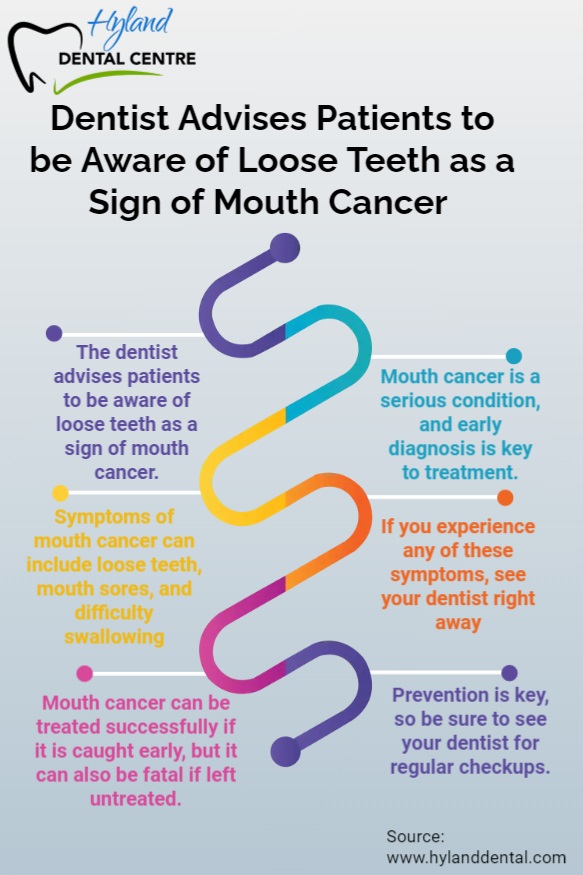
London dentist advises patients to be aware of loose teeth as a sign of mouth cancer.
The dentist advises patients to be aware of loose teeth as a sign of mouth cancer. Mouth cancer is a serious disease that can often be cured if it is caught early. Some of the early warning signs of mouth cancer include loose teeth, lumps or swellings in the mouth, and white patches on the gums. If you experience any of these symptoms, be sure to see a dentist right away.
-
Mouth cancer is a serious condition, and early diagnosis is key to treatment.
Mouth cancer is a serious condition that can occur in any part of the mouth, including the lips, tongue, cheeks, gums, and roof and floor of the mouth. It can also spread to other parts of the body. Mouth cancer can be caused by a variety of things, including smoking, drinking alcohol, and chewing tobacco.
Mouth cancer is a serious condition, and early diagnosis is key to treatment. If you experience any of the following symptoms, please see your doctor as soon as possible:
– Sores, lumps, or bumps in the mouth
– White or red patches on the tongue, gums, or cheeks
– Unexplained bleeding in the mouth
– Difficulty chewing or swallowing
– A change in the way your teeth fit together
– Ear pain
If mouth cancer is caught early, it can be treated successfully. However, if it is not treated, it can be fatal.
-
Symptoms of mouth cancer can include loose teeth, mouth sores, and difficulty swallowing.
Mouth cancer symptoms can vary depending on the stage of the cancer. In the early stages, mouth cancer may cause no symptoms at all. As the cancer grows, symptoms may include:
– Loose teeth
– Mouth sores
– Difficulty swallowing
– A lump or mass in the mouth
– Bleeding in the mouth
– Pain in the mouth
– Swelling of the mouth or jaw
– A change in the voice
If you experience any of these symptoms, please see a dentist in London as soon as possible. Early diagnosis and treatment is key to successful treatment of mouth cancer.
-
If you experience any of these symptoms, see your dentist right away.
Do you have a toothache? Are your gums swollen? Are you having trouble chewing or swallowing? If you experience any of these symptoms, see your dentist right away.
Dental problems can often be treated early on, before they cause more serious issues. So don’t wait – if you’re having any problems with your teeth or gums, see your London dentist as soon as possible.
-
Mouth cancer can be treated successfully if it is caught early, but it can also be fatal if left untreated.
Mouth cancer is a type of cancer that affects the tissues in the mouth. It can be treated successfully if it is caught early, but it can also be fatal if left untreated. Symptoms of mouth cancer include a sore or lump in the mouth that does not heal, red or white patches on the gums, teeth, or tongue, and loose teeth. Mouth cancer can be treated with surgery, radiation therapy, or chemotherapy.
-
Prevention is key, so be sure to see your dentist for regular checkups.
It is important to see your dentist for regular checkups to help prevent any major dental problems from happening. By catching any potential issues early on, your dentist near you in London can help you take care of them before they become bigger and more expensive to treat. Make sure to schedule regular checkups and keep your teeth healthy!
Loose teeth are normal in children and never normal in adults. An adult tooth that moves has lost some of its supporting attachment, and the cause matters — most are manageable, one or two are serious. Any adult noticing loose teeth should be assessed rather than waiting.
Seven Causes of Loose Teeth in Adults
Assessment is straightforward: measurement, radiographs and examination of the surrounding tissue, all within Royal College of Dental Surgeons of Ontario standards.
1. Advanced gum disease
By far the most common cause. Chronic inflammation destroys the bone anchoring the tooth, silently and painlessly, until movement appears. It is not reversible, but it is usually stabilisable with thorough scaling and root planing, shorter recall intervals and better interdental cleaning.
2. Grinding and heavy bite forces
Excessive force can widen the ligament space and make a tooth feel loose even where bone levels are reasonable. Adjusting the bite and wearing a night guard often resolves it.
3. Trauma
A blow to the mouth can loosen or displace a tooth. This is urgent — prompt repositioning and splinting substantially improves the outcome. Do not force a displaced tooth back yourself; see our emergency dental page.
4. Abscess or infection at the root
Pressure from pus at the root tip can make a tooth feel raised and mobile, usually with pain and sometimes swelling. Treating the infection normally resolves the looseness.
5. Hormonal change and pregnancy
Pregnancy increases gum inflammation and can cause mild, temporary mobility. It generally settles afterwards, but pregnancy is a reason for closer monitoring rather than for postponing care. The Canadian Dental Association has guidance on dental care in pregnancy.
6. Bone-affecting medical conditions and medications
Poorly controlled diabetes accelerates gum disease markedly. Osteoporosis and some long-term medications also affect the supporting bone. This is why a full medication list matters at every examination.
7. Rarer but serious causes
Uncommonly, loose teeth without an obvious explanation — particularly alongside a non-healing ulcer, a lump, numbness, persistent hoarseness or unexplained bleeding — can indicate a growth in the jaw, including oral cancer. This is unusual, but it is precisely why unexplained mobility should be examined promptly rather than watched. Early assessment is straightforward and outcomes depend heavily on the stage at diagnosis.
What assessment involves
Pocket depths and mobility graded tooth by tooth, radiographs to show bone levels, and examination of the soft tissue. From there the plan is either periodontal stabilisation, a bite adjustment, treating an infection, or referral for further investigation. Where a tooth genuinely cannot be saved, implants or dentures restore function. Fees reference the Ontario Dental Association guide; check whether the Canadian Dental Care Plan applies. Book an appointment if you have noticed any movement.