

Canadian dental care in Canada surprises people who assume it works like the rest of the health system. It does not, and understanding why explains almost everything about how you pay, who regulates your dentist, and what has recently changed.
Canada’s vast expanse encompasses not only breathtaking landscapes but also a diverse array of dental services catering to the oral health needs of its residents. From the bustling streets of Toronto to the serene shores of Vancouver Island, dental care in Canada reflects a commitment to excellence and accessibility. In this exploration of Canada’s dental landscape, we uncover the breadth of services, innovative practices, and cultural nuances that shape oral health care across the country.
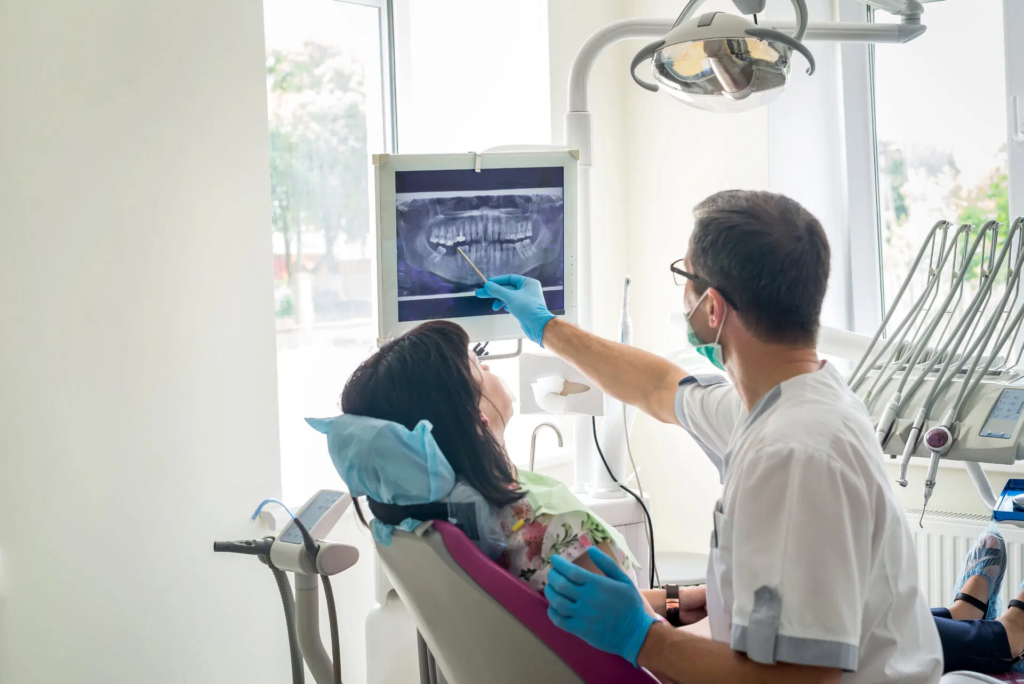
A Nationwide Network of Care: Stretching from coast to coast, Canada’s dental network is as expansive as its geography. In urban centers and remote communities alike, dental clinics stand as beacons of oral health, providing a range of services to patients of all ages. From routine check-ups and cleanings to specialized treatments and cosmetic procedures, Canadians have access to comprehensive Canadian dental care regardless of their location.
Public and Private: Bridging the Gap in Access: Canada’s dual public-private healthcare system extends to dental care, offering a blend of options to meet the needs of its diverse population. While public dental services are available through programs such as the Children’s Oral Health Initiative and provincial health plans, many Canadians also opt for private Canadian dental care for greater flexibility and choice. This combination of public and private services helps bridge the gap in access, ensuring that all Canadians have avenues to receive essential dental care.
Innovation and Expertise: Pushing the Boundaries of Canadian dental care: Canadian dentists are at the forefront of innovation, harnessing cutting-edge technology and techniques to deliver superior care to their patients. From digital dentistry and 3D printing to minimally invasive surgeries and laser treatments, Canadian dental practices leverage advancements in science and technology to enhance precision, efficiency, and patient comfort. This commitment to innovation reflects a dedication to excellence and a drive to continually push the boundaries of dental care.
Cultural Considerations: Canada’s multicultural society brings with it a diverse array of cultural considerations that influence Canadian dental care practices. Dentists across the country strive to accommodate the unique needs and preferences of patients from different cultural backgrounds, whether it’s through multilingual staff, culturally sensitive care practices, or accommodating cultural beliefs and traditions. This cultural competency ensures that all Canadians feel welcomed and respected in their dental care experiences.
Community Engagement: Fostering Oral Health Beyond the Clinic: Beyond the confines of the dental clinic, Canadian dentists are actively engaged in promoting oral health education and awareness within their communities. Outreach programs, school visits, and community events aim to empower Canadians with the knowledge and tools they need to maintain optimal oral health. By fostering a culture of prevention and early intervention, these initiatives play a crucial role in reducing the burden of dental disease and promoting overall well-being.
Accessibility and Affordability: While access to Canadian dental care remains a challenge for some Canadians, efforts are underway to improve accessibility and affordability across the country. Publicly funded programs target underserved populations, providing essential dental services to those who may otherwise go without. Additionally, initiatives such as community dental clinics and mobile dental vans bring care directly to remote and marginalized communities, ensuring that no Canadian is left behind when it comes to oral health.
Empowering Patients: Navigating the Dental Journey: For Canadians navigating the dental landscape, empowerment is key. By taking an active role in their oral health journey, patients can make informed decisions that promote long-term wellness. This includes prioritizing preventive care, seeking regular check-ups, and advocating for their oral health needs. By working collaboratively with their Canadian dental care team, Canadians can take control of their smiles and enjoy a lifetime of healthy teeth and gums.

Conclusion: In Canada, dental care is more than just a service – it’s a cornerstone of overall health and well-being. From the bustling city streets to the remote reaches of the wilderness, Canadian dentists stand ready to serve their communities with excellence and compassion. Through innovation, accessibility, and cultural sensitivity, Canada’s dental landscape reflects a commitment to providing quality care to all who call this vast and diverse country home.
Six Things to Know About Canadian Dental Care in Canada
The structure is unusual by international standards, and the last few years have brought the biggest change in decades.
1. It sits outside medicare by design
When universal health insurance was established, dentistry was left out. The result is that most dental care is paid privately or through workplace insurance, even though the mouth is unambiguously part of the body. This is the single fact that explains the rest.
2. Regulation is provincial, not federal
Each province licenses its own dentists. In Ontario that is the Royal College of Dental Surgeons of Ontario, which maintains a public register, sets infection-control standards and investigates complaints. A dentist licensed in one province must register separately to practise in another.
3. Fees are suggested, not set
There is no government price list. Provincial associations such as the Ontario Dental Association publish annual suggested fee guides, and most practices reference them. Insurers reimburse against those guides, which is why quotes for the same Canadian dental care tend to cluster within a narrow range.
4. Federal coverage arrived recently
The Canadian Dental Care Plan is the most significant expansion of public Canadian dental care in Canadian history, phased in by age and disability status. Eligibility depends on family net income and having no access to a private plan. It does not cover everything, and it is not a provincial programme.
5. Provincial programmes still exist alongside it
Most provinces run targeted schemes for children in low-income households and for low-income seniors. These predate the federal plan and continue to operate, sometimes with different eligibility. Ask a clinic which programmes it accepts rather than assuming.
6. Access still varies enormously by geography
Urban centres have dentists in abundance; rural and northern communities frequently do not, and travel is a real barrier to routine dental care. The Canadian Dental Association publishes patient resources that apply nationwide. For local care, see our services or book an appointment.
Ontario patients can see how those national rules play out locally on our dental services page, and general questions are answered at Contact Us or on the Hyland Dental Centre homepage.