
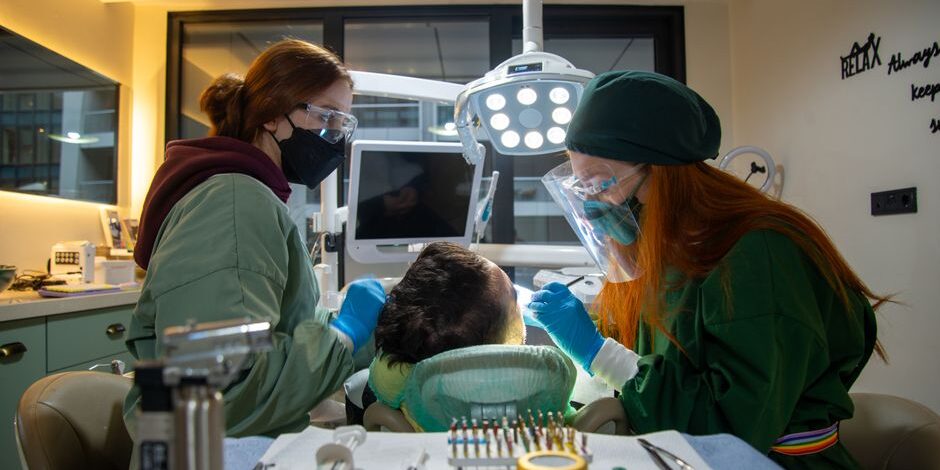
Comparing local dental services in London Ontario is easier when you know what each treatment actually involves, how long it takes and why it might be recommended. This guide groups everyday dental care into four plain-language categories — preventive, restorative, cosmetic and urgent — with realistic expectations for each.
Introduction: London, Ontario, a growing city renowned for its friendly community and rich history, also boasts a vibrant dental landscape that reflects its commitment to excellence in healthcare. From family-focused practices to cutting-edge clinics, the city offers a range of options for residents seeking quality oral care. This article delves into the multifaceted world of dental services in London, Ontario, highlighting its diversity, innovation, and dedication to patient well-being.
Diverse Providers and Local dental services: London’s dental scene reflects the city itself, catering to the needs of its varied population. Private dental practices, located throughout the city’s neighborhoods, provide personalized care in comfortable settings, attracting clientele seeking premium local dental services and amenities.
In addition to private practices, community health centers and dental clinics serve as vital pillars of the community, offering affordable care to individuals from all walks of life. These clinics, located across the city, prioritize accessibility and inclusivity, helping ensure that everyone has access to essential dental services regardless of their financial situation.
Specialist clinics further enrich London’s dental landscape by offering expertise in various disciplines such as orthodontics, periodontics, and implantology. Patients requiring specialized treatments can benefit from the advanced skills and state-of-the-art facilities available at these centers, enhancing their oral health outcomes and overall well-being.
Innovative Technology and Techniques: London’s dental practices embrace innovation, leveraging cutting-edge technology and techniques to deliver superior care to their patients. Digital dentistry has revolutionized diagnostic and treatment processes, with intraoral scanners, 3D printers, and computer-aided design/computer-aided manufacturing (CAD/CAM) systems enhancing precision and efficiency.
Additionally, advancements in materials and equipment have expanded treatment options and improved patient comfort. From minimally invasive procedures made possible by laser dentistry to the seamless integration of dental implants using guided implant surgery, technological innovations play a central role in enhancing the patient experience and treatment outcomes.
Moreover, the adoption of tele-dentistry and virtual consultations has facilitated remote access to dental care, enabling patients to seek advice, schedule appointments, and receive follow-up care from the comfort of their homes. This blend of technology and convenience reflects London’s commitment to embracing digital solutions to meet the evolving needs of its population.
Emphasis on Preventive Care and Education: While London’s dental community excels in providing advanced treatments and interventions, it also places a strong emphasis on preventive care and patient education. Dental professionals prioritize regular check-ups, cleanings, and preventive screenings to identify and address oral health issues before they escalate.
Furthermore, patient education initiatives aim to empower individuals with the knowledge and tools they need to maintain optimal oral hygiene habits and make informed decisions about their dental health. Through workshops, seminars, and educational materials, London’s dental community strives to promote oral health literacy and instill lifelong habits that contribute to overall well-being.
Cultural Competency and Multilingual Local dental services: London’s status as a global city is reflected in its dental practices, many of which cater to a diverse clientele from various cultural backgrounds. Multilingual staff members and interpreters facilitate communication and ensure that patients feel comfortable expressing their needs and concerns.
Moreover, cultural competency training equips dental professionals with the skills and sensitivity needed to provide culturally sensitive care and navigate diverse patient populations effectively. This commitment to inclusivity and diversity underscores London’s reputation as a welcoming and accommodating destination for dental care.
Conclusion: Dental care in London, Ontario’s landscape is a testament to the city’s commitment to excellence, innovation, and inclusivity in healthcare. From private practices to community clinics and specialist centers, patients have access to a wide range of local dental services delivered by skilled professionals using state-of-the-art technology. With a focus on preventive care, patient education, and cultural competency, London, Ontario remains dedicated to dental excellence, ensuring the oral health and well-being of its diverse population.
Local Dental Services in London Ontario, Grouped by What They Do
Almost everything a general practice offers falls into one of four buckets: preventive, restorative, cosmetic and urgent. Knowing which bucket a recommendation sits in tells you a lot about how quickly you need to decide. Standards for all of them are set provincially by the Royal College of Dental Surgeons of Ontario.
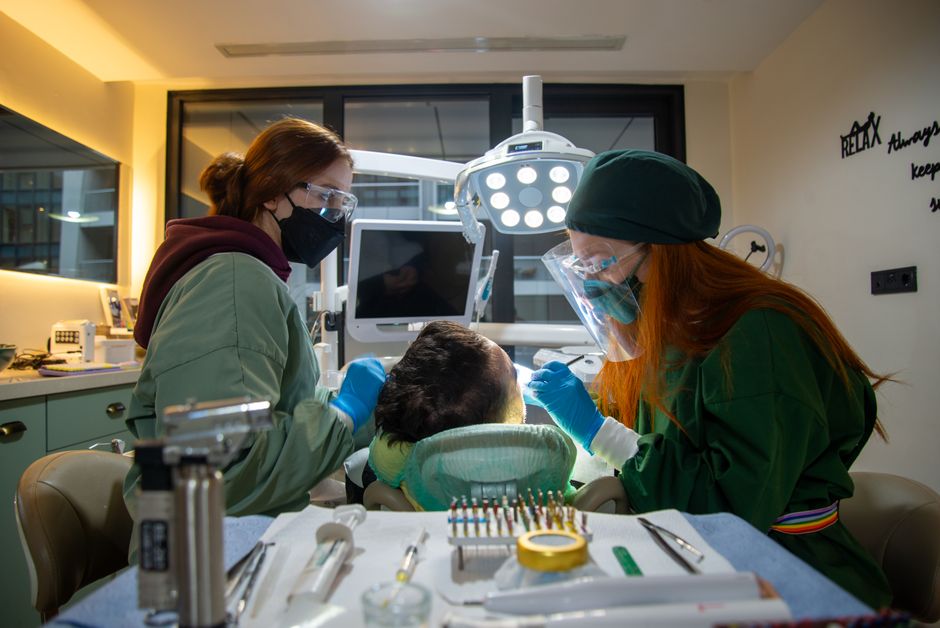
Preventive: cleaning, exams, sealants, night guards
These are the lowest-cost, highest-return local dental services. A scaling and polishing appointment removes hardened deposits that brushing cannot reach; sealants protect the grooved biting surfaces of children’s molars; and a custom night guard protects enamel if you grind. Preventive work is also the most predictable to budget for, since it happens on a schedule rather than in response to a problem.
Restorative: fillings, crowns, bridges, root canals, dentures, implants
Restorative local dental services repair damage. Fillings handle early decay. Crowns and bridges rebuild or replace substantially damaged teeth. Root canal treatment — explained clearly by the Canadian Dental Association — removes infected pulp and saves the tooth. Where a tooth cannot be kept, extraction is followed by implants or dentures to restore function.
Cosmetic: whitening, veneers, clear aligners
Cosmetic local dental services are elective, so there is no need to rush a decision. Professional whitening works on natural enamel but not on crowns or fillings, which is why sequencing matters. Veneers change shape and colour permanently and require removing a thin layer of enamel. Clear aligners straighten mild to moderate crowding. Ask to see cases treated in the practice rather than stock photography.

Urgent: pain, swelling, trauma
Urgent care is triaged differently. Spreading facial swelling, a knocked-out tooth or uncontrolled bleeding need same-day attention; a chipped edge or lost filling can usually wait a few days. Our emergency dental page sets out what to do first, and Health811 offers free overnight nurse advice if you are unsure.
Sorting out cost before you commit
Fees generally track the Ontario Dental Association suggested guide. Request a written estimate with procedure codes, send it to your insurer for predetermination, and check whether you qualify under the Canadian Dental Care Plan. You can review every treatment on our local dental services page or contact the clinic with questions.
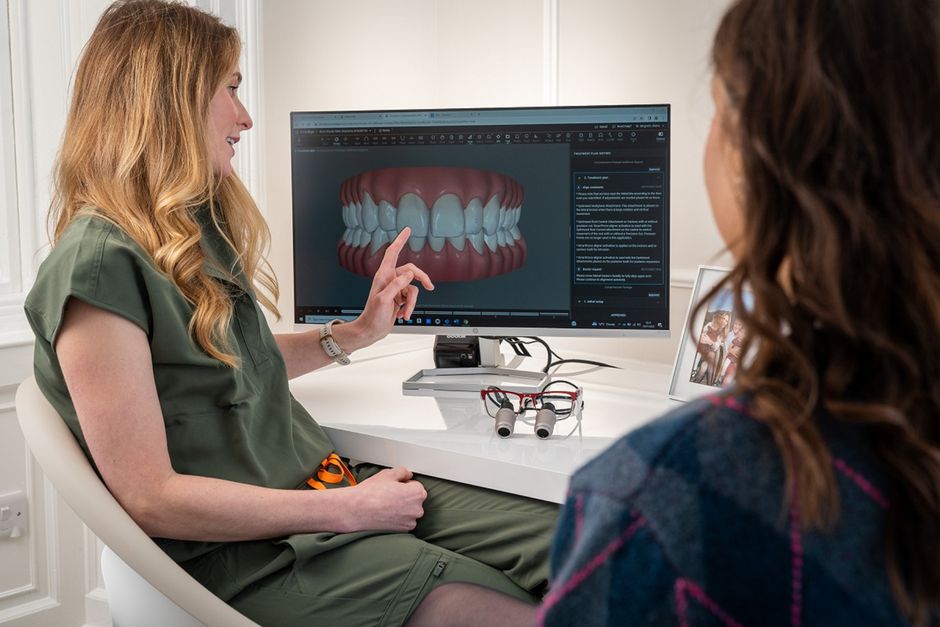
Dental Care Questions People Actually Ask
Good dental care decisions come from a handful of practical questions. Here are the ones that come up most often in the chair.
How often do I really need dental care appointments?
The old six-month rule is a convention, not a clinical law. Recall intervals should reflect risk: gum disease history, dry mouth from medication, smoking or a high-sugar diet all justify more frequent dental care, while a stable low-risk adult may safely stretch to nine or twelve months. Ask your dentist to explain why your interval is what it is.
Are dental x-rays safe to have regularly?
Digital sensors have cut radiation dose dramatically compared with film, and images should be taken on a risk-based schedule rather than automatically. They reveal decay between teeth and bone loss that no visual examination can. Our digital X-ray page explains the process.

Why does the same treatment cost different amounts?
Fees reference an annual suggested guide, but the number of surfaces, the material used and the time required all change the code that gets billed. That is why a written estimate with procedure codes is worth asking for — it lets your insurer confirm coverage before treatment rather than after.
Can I delay treatment that does not hurt?
Sometimes, but pain is a poor guide. Decay is usually painless until it reaches the nerve, and gum disease is famously silent. Delaying dental care generally converts a small filling into a crown or root canal. Ask your dentist to rank recommendations as urgent, soon or elective, then plan around that.
What if I am afraid of the dentist?
Dental anxiety is common and treatable. Options range from longer appointments and clear signalling through to sedation dentistry. Saying so at booking lets the team plan for it. To get started, book an appointment or contact us with questions.
Each of those categories has its own page on our site, from teeth cleaning through to dental implants. The overview lives at Hyland Dental Centre.