The hour before you reach an emergency dentist near me is when most avoidable damage is done. These twelve rules cover what genuinely helps and the well-meant remedies that make things worse.
When you find yourself in need of an emergency dentist in London, it is important to know what to do and what not to do. The following are some tips to help you get the most out of your emergency dental visit.
Dos when visiting an emergency dentist in London:
- Always call the dentist first to find out if they are accepting new patients.
- Bring your insurance card and ID.
- Arrive early so that you can fill out any necessary paperwork.
- Be prepared to pay your co-pay.
- Let the dentist know if you are in pain.
-
Be prepared
Being prepared can make a stressful situation much easier to handle. Keep your dentist’s phone number saved in your phone, along with your dental insurance information and photo ID. If you wear dentures or another dental appliance, keep the case handy in case it needs to come out quickly. Knowing this information ahead of time means you can act fast instead of scrambling when a dental emergency happens.
-
Know what to expect
Knowing what to expect during an emergency dental visit can help you feel calmer. The dentist will typically ask about your symptoms, take an X-ray if needed, and explain your treatment options before doing any work. Understanding these steps ahead of time means fewer surprises and less anxiety when you actually need care.
-
Follow instructions
Following instructions matters just as much before and after your emergency visit. If the dental office gives you guidance over the phone, such as how to store a knocked-out tooth in milk or saline, or how to control bleeding with gentle pressure, follow it closely. After treatment, stick to any aftercare instructions about medication, diet, or rest so the area can heal properly and you avoid complications..
-
Seek help if needed
Seeking help quickly is not a weakness, it is the right call. If you are dealing with a knocked-out tooth, a severe toothache, a broken crown, or an injury to your mouth or jaw, do not wait it out. Emergency dentists have the training and equipment to treat these situations properly, and getting help right away often makes the difference between saving a tooth and losing it. If your emergency involves heavy bleeding, facial swelling that affects your breathing or swallowing, or a jaw injury, seek emergency medical care as well.
Don’ts when visiting an emergency dentist in London:
There are a few things you should never do when visiting an emergency dentist in London. For instance, don’t show up late. If you arrive more than 15 minutes after your appointment time, you may be refused service. Additionally, don’t bring children with you unless they are also patients of the dentist. Finally, don’t try to diagnose your own dental problem. Leave that to the professionals.
-
Ignore the problem
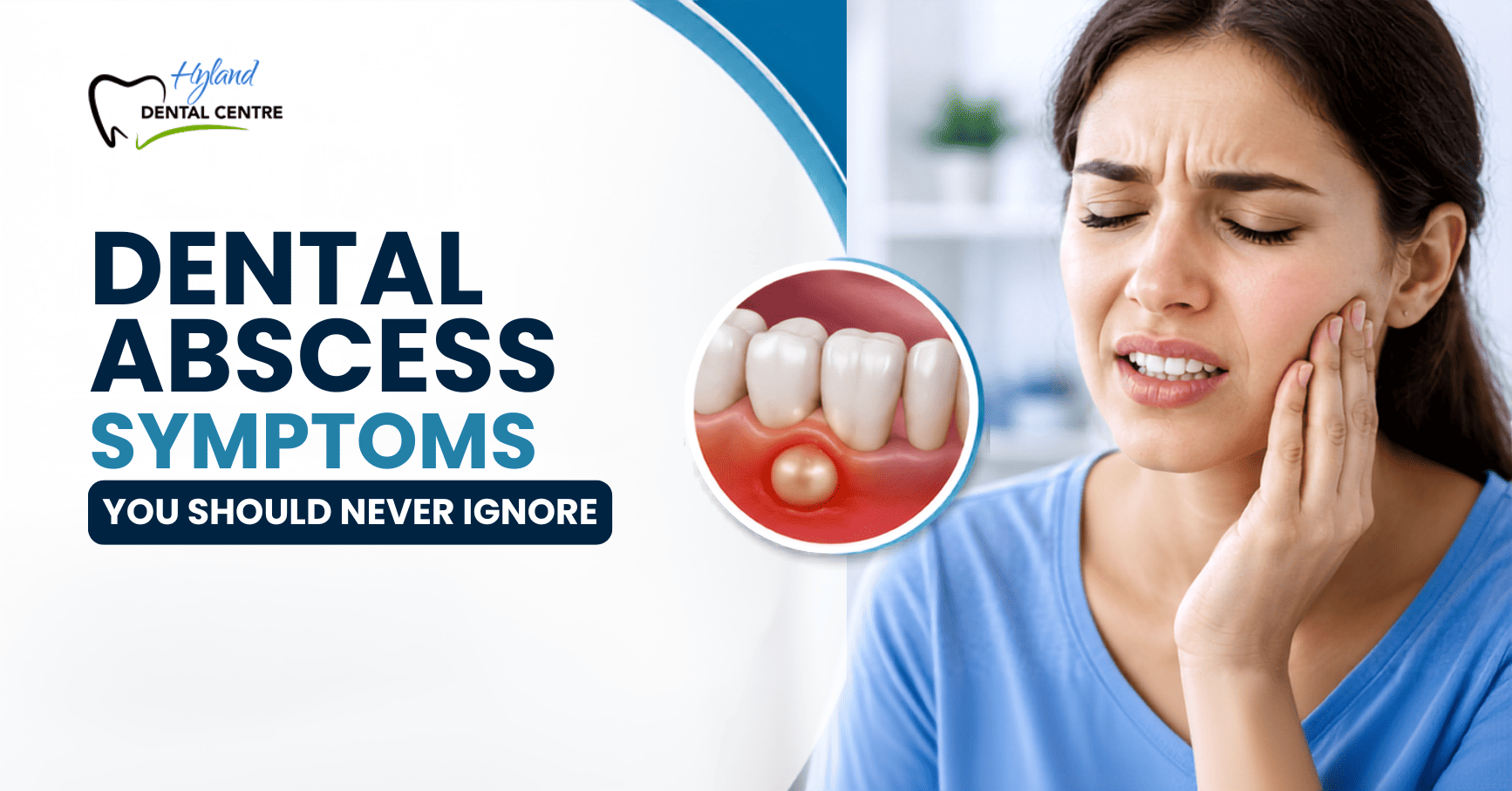
It can be tempting to ignore a dental problem and hope it goes away on its own, but that almost never happens. A small crack, a persistent ache, or a bit of bleeding can be a sign of infection or damage that only gets worse with time. Ignoring the warning signs can turn a simple, inexpensive fix into a much more painful and costly emergency down the road.
-
Put off treatment
Putting off treatment for a dental emergency rarely works out well. What feels manageable today, like a dull ache or a small chip, can quickly turn into a serious infection, nerve damage, or a lost tooth if it is not treated promptly. Delaying care can also mean a longer, more expensive, and more uncomfortable treatment later on, so it is always better to have an emergency dentist in London take a look as soon as possible.
-
Try to fix the problem yourself
It can be tempting to try to fix a dental problem yourself, but home remedies can often make things worse. Do not use household glue to reattach a crown, do not try to pull a loose tooth, and avoid putting aspirin directly on your gums. Simple first-aid steps like rinsing gently with warm water, applying a cold compress for swelling, or using dental wax on a sharp edge can help temporarily, but a trained emergency dentist in London is the only one who can properly diagnose and treat the underlying problem.
-
Panic
It is natural to feel a jolt of panic when you chip a tooth or are hit with sudden dental pain, but try to take a breath and stay as calm as you can. Panicking can make it harder to think clearly about next steps, like calling the dentist, controlling bleeding, or safely storing a knocked-out tooth. Staying level-headed helps you act quickly and gives the dentist the clearest picture of what happened.
Twelve Rules Before You Reach an Emergency Dentist Near Me
Six things to do, six to avoid, all delivered within Royal College of Dental Surgeons of Ontario standards once you arrive.
Do: keep a knocked-out tooth moist
Hold it by the crown, not the root. Milk is ideal; saliva or saline will do. Re-implantation success falls sharply after an hour, so an emergency dentist near me needs to see you immediately.
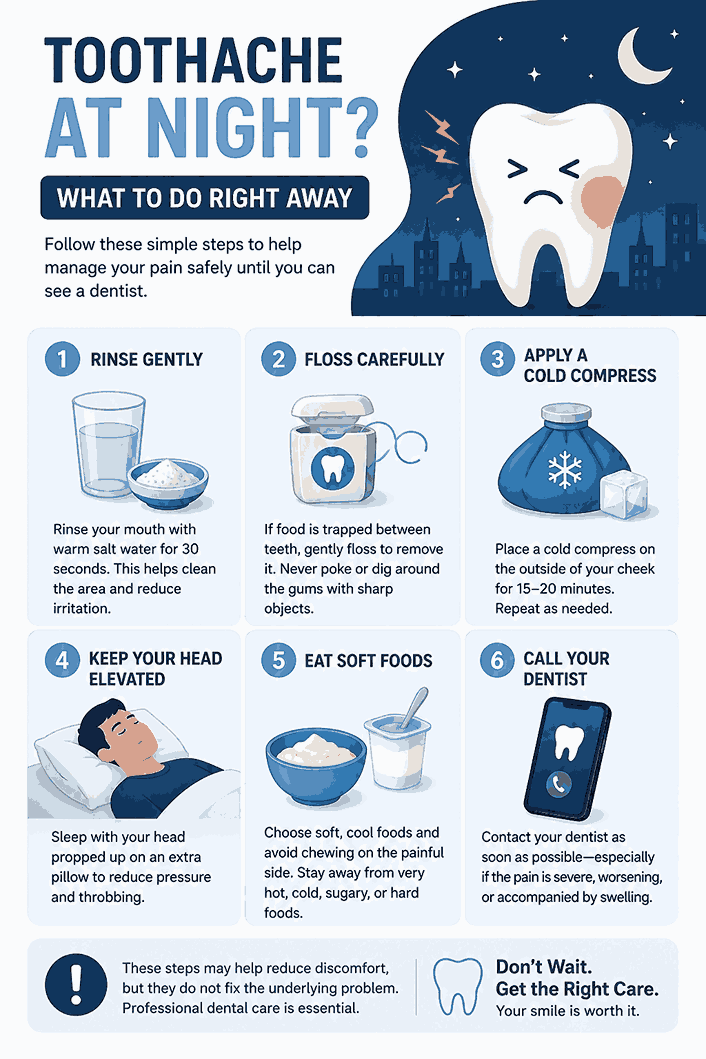
Do: use a cold compress outside the cheek
Fifteen minutes on, fifteen off. It reduces swelling and dulls pain without any risk.
Do: sleep propped up
Lying flat increases pressure in an inflamed tooth. Two pillows genuinely helps you reach morning.
Do: take analgesia as labelled
Follow the packet instructions and any advice from your pharmacist about your other medications.
Do: cover a sharp edge
Sugar-free gum or temporary dental wax stops a broken tooth shredding your tongue.
Do: call ahead and describe symptoms
Triage matters. Any competent emergency dentist near me will prioritise by severity, so describe swelling and swallowing difficulty accurately.
Don’t: put aspirin against the gum
It causes a chemical burn of the soft tissue and does nothing for the tooth. Swallow analgesia; never pack it into the mouth.
Don’t: apply heat to a swelling
Heat encourages infection to spread. Cold only.
Don’t: scrub the root of a knocked-out tooth
The delicate cells on the root surface are what allow reattachment. Rinsing gently is acceptable; scrubbing destroys the chance.
Don’t: try to drain a swelling yourself
Piercing a gum boil at home risks spreading infection into deeper tissue spaces. Leave it to an emergency dentist near me.
Don’t: rely on leftover antibiotics
Old or borrowed antibiotics are the wrong drug at the wrong dose, and they mask a problem that still needs treating at source.
Don’t: wait out true red flags
Swelling crossing the jawline, difficulty swallowing or breathing, or fever with facial swelling means hospital, not a dental chair. Overnight, Health811 advises for free. The Canadian Dental Association has further guidance; see our emergency dental page or book an appointment.

Our own emergency guidance is on the emergency dental in London, Ontario page, and if the tooth needs saving afterwards, root canal treatment is usually the next conversation. Practice details: Hyland Dental Centre.