

Dentist using instruments to examine a molar before a tooth extraction in London, Ontario

Emergency Tooth Extraction

Do you need a tooth extraction? Many patients fear dental extraction the most out of all dental care treatments. But with sedation dentistry and our dentists’ commitment to patient-focused care, we can ensure a smooth and comfortable tooth extraction.

Our dentists recommend a dental extraction in case of severe tooth decay, which a root canal, crown, and other restorative treatments cannot treat:

  1. The tooth has broken down
  2. The decay has progressed to the jawbones and caused a loss in bone density
  3. The decay has started to spread and affect adjacent healthy teeth.

In case of these severe dental problems, tooth extraction is the best way to treat the damage, and keep the rest of your teeth and gums strong and healthy.

Once your mouth has healed, our dentists can discuss with you options to restore normal oral functions like biting, chewing, and eating, with restorations that look and function like your natural teeth.

Wisdom Tooth Removal – Extract Impacted and Crowded Wisdom Teeth

For most people, pain is the number one sign that wisdom teeth have erupted. Wisdom teeth cause pain when they are impacted, or there is not enough room for them to grow. When left in, they can cause overcrowding that affects healthy adjacent teeth. Our dentists track the growth of your wisdom teeth and book an extraction, or perform an emergency surgical removal if your symptoms become severe.

Are you worried about the pain? When left untreated, wisdom teeth can cause severe oral health problems. Our dentists use sedation dentistry to successfully remove your wisdom teeth before these problems occur:

  • Impaction: Wisdom teeth removal is needed when these molars are trapped in the jaw or gums, causing extreme pain and discomfort. In severe cases left untreated, cysts can even form, causing infection that spreads to other teeth.
  • Cavities and gum disease: Molars grow in the back of the mouth, making them hard to reach and clean thoroughly. Plus, some wisdom teeth remain partially hidden within the gums, making them prone to cavities, gum disease, and infections.
  • Overcrowding: The sudden growth of wisdom teeth can disrupt the even spacing and alignment of your teeth, causing painful overcrowding that can also affect the integrity and shape of adjacent teeth.

Sedation Dentistry – Painless and Comfortable Tooth Extraction

Tooth extraction is an outpatient surgical procedure. All you need to do is arrive at Hyland Dental before your scheduled treatment, and go home to rest right after. Our dentists stay with you every step of the way — during preparation, throughout the procedure, and post-op care.

We examine your medical history, expertly perform the extraction, and ensure a fast and smooth recovery. To ensure your safety and comfort throughout the dental extraction, we provide various sedation options:

  • Laughing Gas: This is used to relieve stress and anxiety, followed by a shot of Novacaine, Lidocaine, or other numbing medications.
  • Oral Sedation: This method allows for dulled pain during the procedure while still maintaining a cognitive state.
  • IV Sedation: Intravenous drugs to help you sleep throughout the procedure

Book Your Appointment To Complete Your Smile After a Tooth Extraction

At Hyland Dental, our dentists recommend a tooth extraction after exhausting all restorative treatment options.

We do our best to make your tooth extraction comfortable and successful, so we can rehabilitate your remaining healthy teeth, and restore your smile.

Our dentists perform tooth extractions to treat tooth decay and infections, as well as remove impacted wisdom teeth and prevent oral health problems. We also coordinate future treatments following your tooth extraction, including necessary restorations, such as crowns, dentures, implants, and ongoing dental care.

Visit our conveniently located dental clinic in London, and learn about your options for tooth extraction and future dental care.

Hyland Dental is committed to patient care and your long-term oral health, whether it’s an emergency or scheduled tooth extraction. Call us today to learn more about tooth extraction and wisdom tooth removal. Let’s save and restore your healthy smile.

    Tooth Extraction: Recovery, Cost and What Comes Next

    Removing a tooth is the last option, not the first, but when it is the right call the recovery is usually easier than people expect.

    The first 24 hours

    Bite firmly on gauze for half an hour, keep your head up, and avoid rinsing, spitting or straws for the rest of the day. Those three habits are what dislodge the clot and cause dry socket, which is the main reason a straightforward tooth extraction turns painful on day three.

    Days two to seven

    Warm salt-water rinses, soft food, and no smoking. Swelling peaks around 48 hours and then falls away. Take the analgesic you were advised to take on schedule rather than waiting for pain to build.

    Replacing the gap

    Every tooth extraction leaves a space, and the teeth either side will drift into it over the years. Options are a dental implant, a bridge, or a partial denture. Deciding early is cheaper than deciding late, because bone volume falls fastest in the first year.

    Cost and coverage

    Fees follow the Ontario Dental Association suggested guide and depend on whether the tooth is simple or surgical. If you are enrolled in the Canadian Dental Care Plan, extractions are generally covered and we will confirm before treatment.

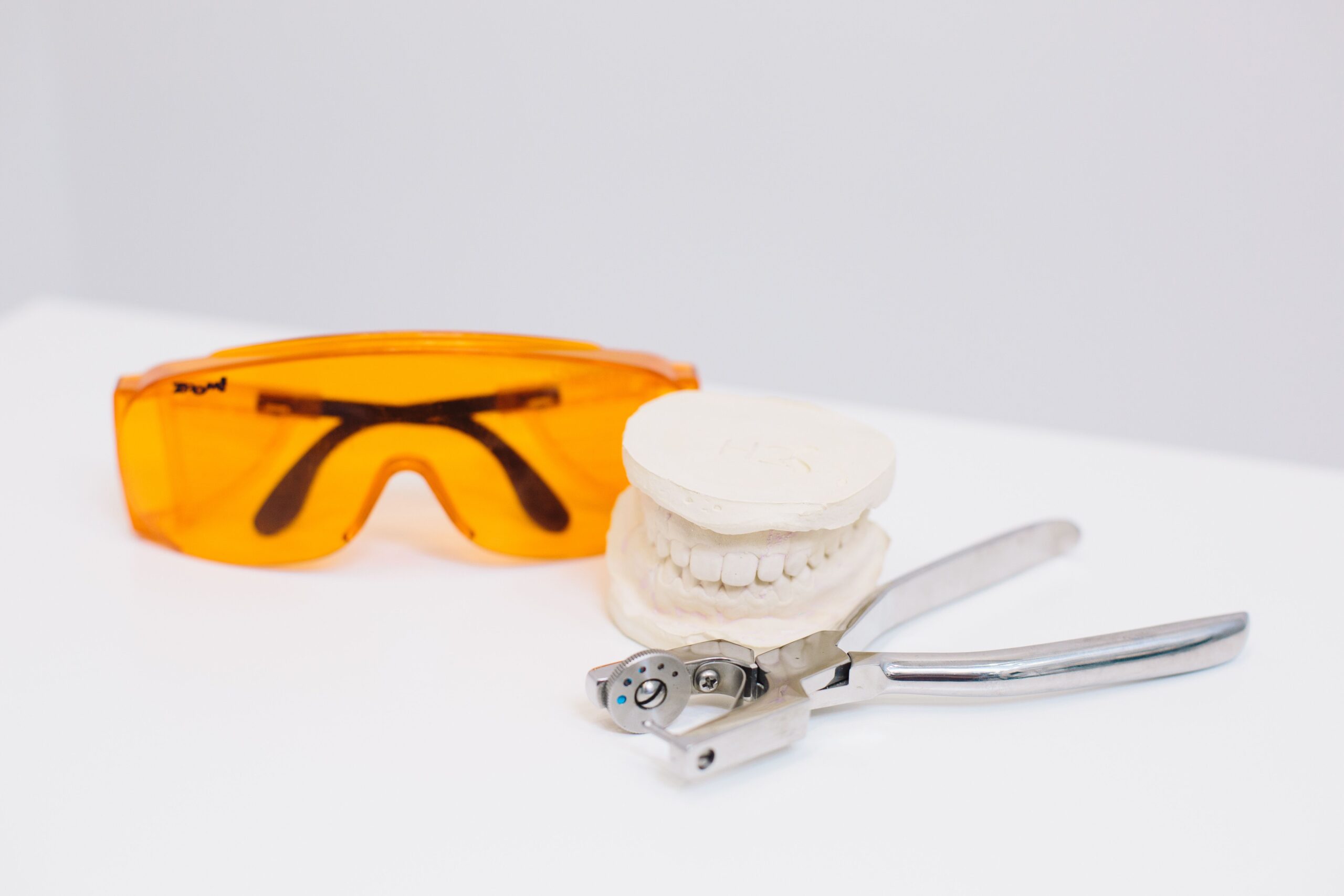
    Extraction forceps and protective eyewear prepared for a tooth extraction
    Patient easing jaw discomfort during recovery after a tooth extraction

    If a tooth is painful right now, our emergency dental page explains same-day options.

    Before a tooth extraction: what we check

    A tooth extraction is planned, not improvised. We review an X-ray to see the root shape and how close the roots sit to the sinus or the nerve canal, confirm which medications you take, and discuss what will fill the space afterwards. Blood thinners, bisphosphonates and uncontrolled diabetes all change the approach, which is why the medical history matters as much as the tooth.

    Patient prepared in the treatment room before a tooth extraction in London, Ontario
    Most of an extraction appointment is preparation and anaesthetic, not the tooth.

    Replacing the tooth is decided before it is removed, not months later. A dental implant, a bridge or a partial denture each have different timing requirements, and some benefit from preserving the socket at the time of the tooth extraction. If a tooth is broken and painful right now, see emergency dental care.