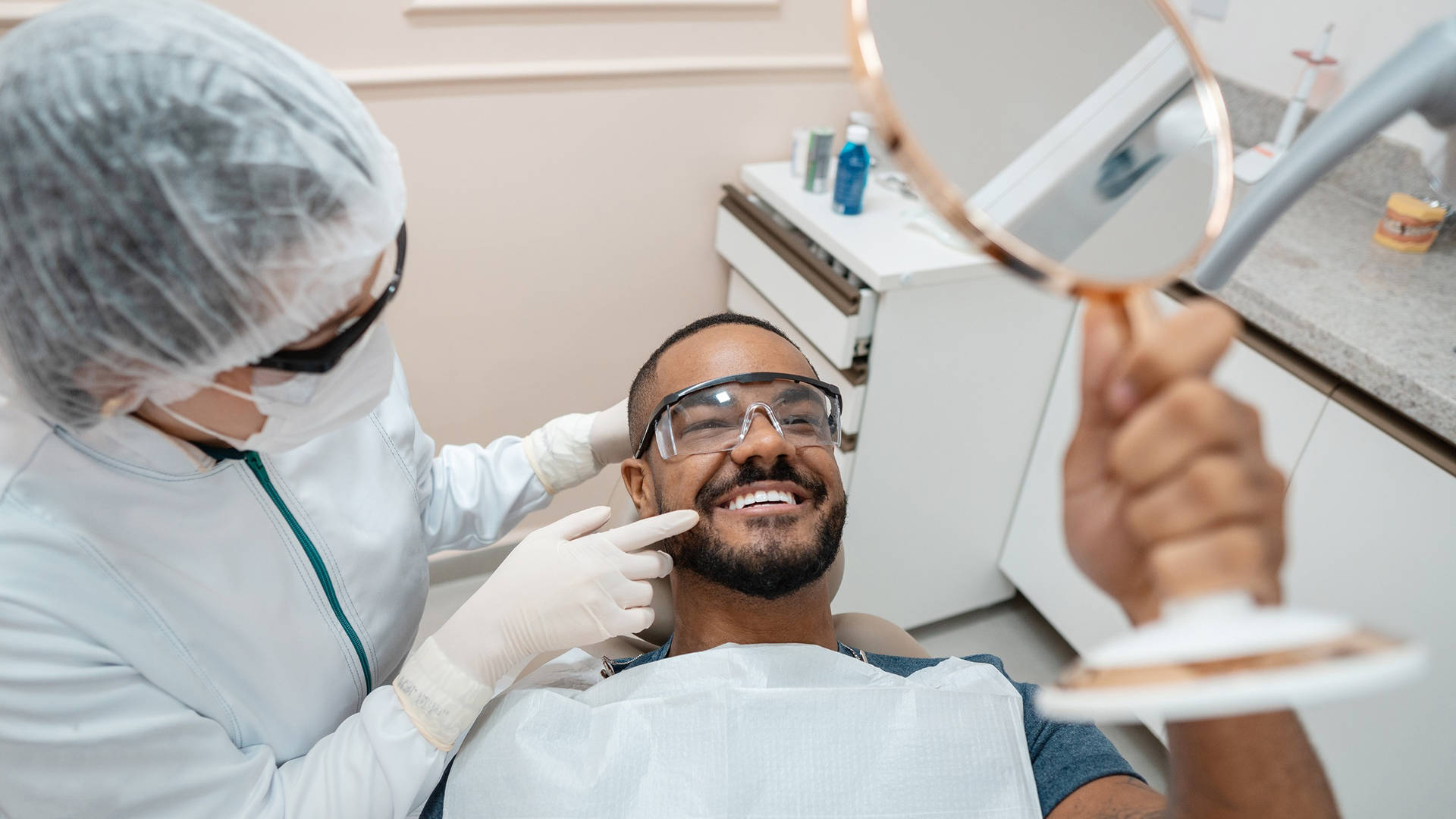

Emergency dental treatment solves an immediate problem, but it comes with trade-offs worth understanding before you are in pain. Here are the genuine advantages, the real drawbacks, and the situations where a different route is safer.
Dental emergencies can strike unexpectedly, causing intense pain and discomfort. In such situations, knowing where to find an emergency dentist near you can be a lifesaver. One such dental practice offering emergency services in London, ON, is Hyland Dental. In this blog, we will explore the top 10 pros and cons of seeking emergency dental treatment from an emergency dentist like Hyland Dental in London, ON.
Pros:
- Immediate Relief: The most significant advantage of an emergency dentist is that they offer immediate relief for dental problems such as severe toothaches, knocked-out teeth, or broken dental restorations. At Hyland Dental, their team is equipped to handle a wide range of dental emergencies promptly.
- Extended Hours and Availability: Dental emergencies can happen at any time, even outside regular office hours. Emergency dentists like Hyland Dental usually operate during extended hours, including evenings and weekends, providing accessible services when regular dentists might be closed.
- Specialized Expertise: Emergency dentists are well-trained and experienced in handling urgent dental cases. Hyland Dental’s emergency team is equipped with the latest tools and techniques to provide optimal care during emergencies.
- Minimized Risk of Complications: Delaying dental treatment for emergencies can lead to severe complications. Visiting an emergency dentist promptly, such as Hyland Dental, can minimize the risk of further damage to teeth and gums.
- Comprehensive Dental Care: While many emergency dentists only address immediate concerns, practices like Hyland Dental take a more comprehensive approach. They provide a wide range of dental services to ensure that your oral health is restored and maintained.
- Patient-Centered Care: Emergency dental practices understand the anxiety and pain associated with dental emergencies. At Hyland Dental, the staff strives to provide a comfortable and supportive environment to ease patients’ worries.
- Convenience: An emergency dentist near you, such as Hyland Dental in London, ON, is convenient for local residents. You don’t have to travel far in the midst of a dental emergency, making it easier to receive timely care.
- No Appointments Necessary: In most cases, emergency dental practices accept walk-in patients without the need for prior appointments. This flexibility ensures immediate attention to your dental emergency.
- Wide Range of Services: Emergency dentists like Hyland Dental can handle various dental issues, from toothaches and chipped teeth to dental trauma and lost fillings. This comprehensive service allows for a one-stop solution to different dental emergencies.
- Peace of Mind: Knowing that an emergency dentist is available in your area provides peace of mind. Whether it’s for yourself, a family member, or a friend, having access to reliable emergency dental care can be a source of comfort during stressful times.
Cons:
- Higher Costs: Emergency dental services might be more expensive than regular dental visits. While Hyland Dental provides quality care, patients should be prepared for potential higher costs associated with emergency treatments.
- Limited Insurance Coverage: Some insurance plans may not fully cover emergency dental treatments or may have higher out-of-pocket costs. Patients should check their insurance coverage beforehand to avoid any surprises.
- Limited Scope of Services: While emergency dentists can address a variety of urgent dental issues, they may not provide all the services that a regular dentist offers. Some specialized treatments may require follow-up visits with a regular dental provider.
- Wait Times: Despite being an emergency service, wait times at an emergency dental clinic like Hyland Dental may vary based on the severity of the case and the number of patients seeking emergency dental treatment.
- Temporary Solutions: In certain cases, emergency dentists may provide temporary solutions until a regular dentist can provide a more permanent fix. This could result in additional appointments and potential inconvenience.
- Not Regular Dental Care: While emergency dentists are invaluable during urgent situations, they are not a substitute for regular dental check-ups and cleanings. Patients should still visit their regular dentist for routine care.
- Lack of Familiarity: In cases of dental emergencies, patients might not have the opportunity to see their regular dentist, leading to emergency dental treatment by an unfamiliar practitioner.
- Difficulty Finding a Trusted Provider: Not all emergency dental practices may provide the same level of care and professionalism. It can be challenging to find a trusted emergency dentist without prior research or recommendations.
- Inconvenient Location: While Hyland Dental may be conveniently located for some, it might not be the case for everyone. Some individuals might have to travel a considerable distance during an emergency, potentially causing discomfort.
- Possibility of Referrals: In complex cases, an emergency dentist may need to refer patients to a specialist, which could add another layer of complexity to the emergency dental treatment process.
Conclusion:
In times of dental emergencies, having access to an emergency dentist near you, like Hyland Dental in London, ON, can be a valuable resource. The pros, such as immediate relief, specialized expertise, and patient-centered care, outweigh the cons like higher costs and limited scope of services. Nevertheless, it is essential to understand both sides and make an informed decision regarding emergency dental care based on individual needs and circumstances. Remember that the ultimate goal is to alleviate pain, restore oral health, and maintain a healthy smile.
Weighing Up Emergency Dental Treatment
Urgent care is a different service from routine care, delivered under the same Royal College of Dental Surgeons of Ontario standards but under time pressure and usually without your history.
The advantages
Speed is the obvious one: pain is addressed in hours rather than weeks. Second, an emergency dentist near me will usually prioritise stabilisation — draining an abscess, dressing an exposed nerve, splinting a displaced tooth — which prevents a bad situation becoming worse. Third, urgent appointments often reveal an underlying problem that routine attendance had missed. Fourth, many urgent clinics offer extended hours, which matters if you cannot take time off work. Fifth, you are seen without needing to be an established patient.
The drawbacks
The first is continuity: whoever sees you has no baseline records, so they cannot tell whether a shadow on a radiograph is new. That pushes advice towards the conservative and occasionally towards over-treatment. Second, urgent visits are usually a two-stage process — stabilise now, definitive repair later — so you pay for two appointments. Third, an emergency dentist near me may not have your preferred laboratory or materials to hand for a permanent fix. Fourth, waits can still be long when several people arrive at once, since triage is by severity rather than arrival. Fifth, out-of-hours fees can be higher than the Ontario Dental Association suggested guide for the equivalent daytime procedure.
When a different route is safer
Spreading facial swelling, difficulty swallowing or breathing, fever with swelling, or trauma involving the jaw belong in an emergency department. No emergency dentist near me can manage an airway. Overnight, Health811 offers free nurse-led advice on whether to attend hospital.
How to get the best of both
Use urgent care to stop the pain, then transfer the definitive work to a practice that keeps your records. Ask the emergency dentist for a written note of what was done and any radiographs taken — they belong to you. The Canadian Dental Association explains each procedure in plain language. See our emergency dental page for triage, and book an appointment to establish continuity afterwards.